Bathroom and wet-area paints that survive coastal humidity
Peninsula bathrooms stay damp. Here is how to specify mould-resistant paints, sheens and ventilation so a Frankston wet area does not bloom in the first winter.
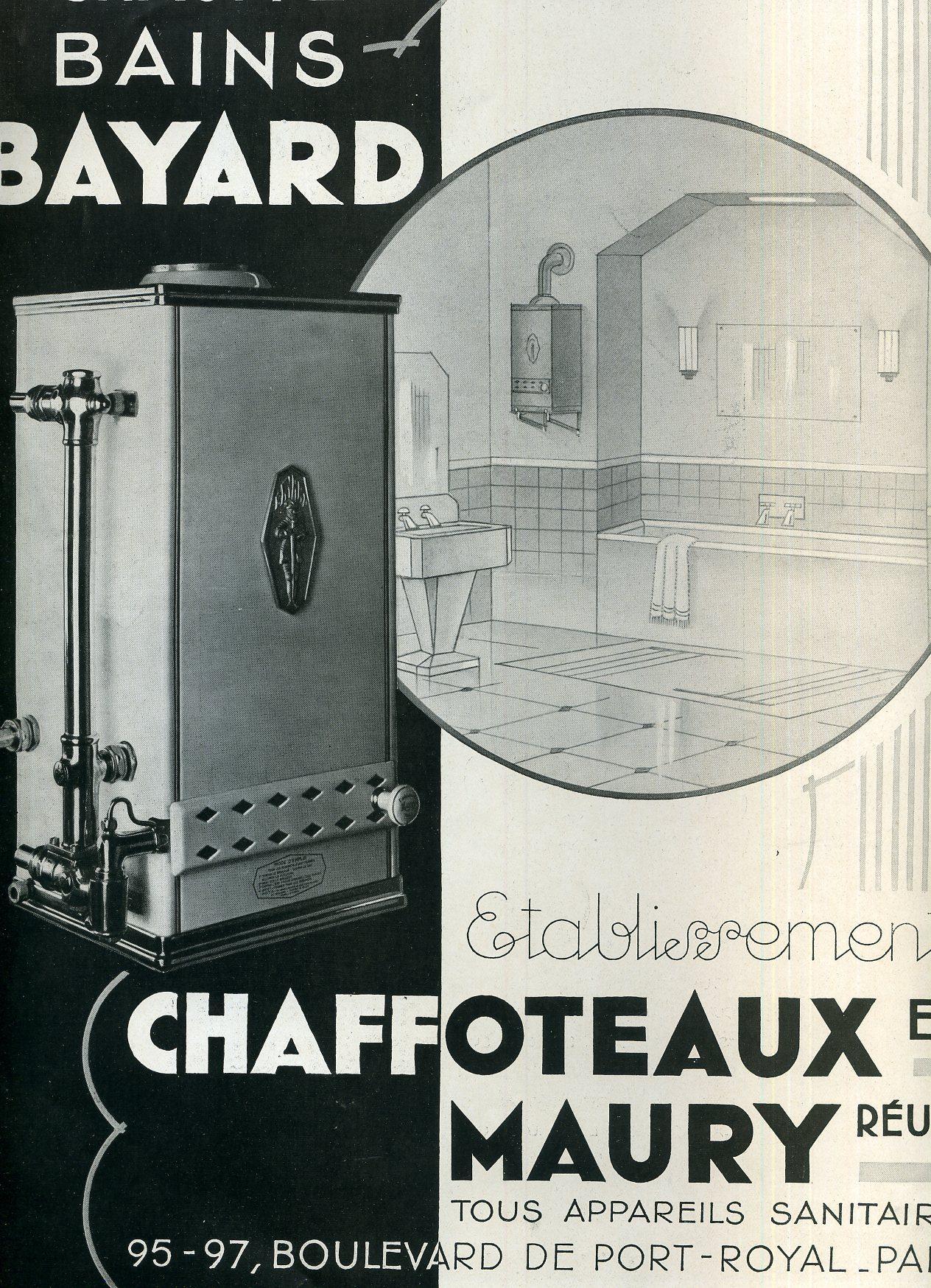
Coastal humidity does not stop at the bathroom door. Frankston and Mornington bathrooms, especially in houses closed up through winter, sit in a microclimate of showers, cool plasterboard and not enough air changes. Add a south-facing window that never sees sun and you have the classic Peninsula bloom: black spotting on the ceiling, a sticky film on the high wall, paint that looks tired in eighteen months.
This is a wet-area specification, not a scented-candle recommendation. Pair it with sheen levels and, if the mould is already through the film, the mould and peeling diagnosis.
Paint cannot replace an extractor
If the fan dumps into the ceiling void, or there is no fan, or the window is a 1970s slider that nobody opens in July, you are growing biology. Paint with mould inhibitors slows the look of it. It does not repeal physics. Before you spend on a bathroom-grade acrylic, spend on ducting that actually terminates outside, a fan with a run-on timer, and a habit of leaving the door open after showers.
Owners of airtight newish builds in Mount Eliza sometimes have worse bathrooms than 1950s Seaford weatherboards because the old houses leak air whether you like it or not. Sealed houses need mechanical ventilation. Painters see this every winter.
What to put on the walls
Use a kitchen-and-bathroom acrylic from a serious Australian line — the wet-area versions of Wash & Wear, Endure, or equivalent Haymes and Wattyl products. They carry mildewcides and a tighter film. Finish at low sheen or semi-gloss in the splash zone of a basin if you want to wipe toothpaste. Dead-flat walls mark and hold moisture on the surface.
Avoid:
- Standard flat ceiling paint on bathroom ceilings.
- Cheap contractor acrylic that claims “kitchen and bathroom” without a data sheet that mentions wet areas.
- Dark, highly tinted feature walls in a tiny internal bathroom — they show every drip and every wipe.
Tiles do the wet work. Paint does the rest. If you are painting over old gloss enamel on a 1960s wet-area plaster, you need adhesion: sand, prime, then the wet-area topcoat. Otherwise the first steamy month lifts the new film in sheets.
Ceilings, the first place mould shows
Condensation forms on the coldest plane. In a Peninsula winter that is often the ceiling, especially under an uninsulated eave or a tiled roof with a tired sarking. Wash with a mould cleaner that actually kills spores (follow the label; bleach-only routines without rinse can leave salt that keeps eating paint). Rinse. Let it dry with the fan on. Prime stains. Then a bathroom-rated coat, two if you are coming off a dark mould map.
If the plaster is soft, stop. Soft means moisture from above or a leak. Painting a dripping ceiling is how you decorate a roofing invoice.
Showers, screens and the bits paint should not do
Do not paint inside a shower hob. Do not paint rotting timber window sills and call it waterproofing. Do not paint mouldy silicone; replace the silicone. Painters who “cut in around the bath” still need the sealant to be sound. Otherwise water gets behind the skirting and the lower wall becomes a hidden wet area.
Vanity backs and the wall behind the toilet cistern collect aerosol. A wipeable sheen there is worth more than a fashionable matte.
Cost notes
Bathroom painting is small in square metres and slow in detail. In 2026, $500 to $1,200 covers many Peninsula bathrooms for walls and ceiling in fair condition. Add more for enamel windows, mould-heavy ceilings, and occupied houses where only one bathroom can be offline. It is rarely the line item that breaks an interior quote. It is often the room that fails first if specified like a bedroom. See interior costs per room.
A winter test
After the job, run a hot shower, fan on, door closed, then check the ceiling. Slight mist that clears is life. Beads that sit and drip onto your new low-sheen is a ventilation problem, not a paint-brand problem. Call the electrician or the roofer before you call the paint company.
Wet areas are where coastal living shows up indoors. Specify them like the small marine climates they are, and the rest of the house’s interior paint gets to grow old in peace.
Windows in bathrooms
Older Frankston bathrooms have timber windows that swell in winter. Paint them as enamel joinery, not as walls. Keep the drip edge painted. Replace the putty if it is a crust. If the window never opens because it has been painted shut, you have just removed the only ventilation. Cut it free as part of the job.
Aluminium windows still get a painted reveal. The reveal is plaster or timber and still grows mould if the shower hits it. A wipeable sheen here is worth more than a fashionable matt.
Silicone, tiles and the edge of paint’s job
Paint stops where a wet-area membrane and tile should start. If someone has painted the first row of tiles “to freshen up”, you will be scraping it for years. Cut a clean line at the tile edge. Replace mouldy silicone after the paint has cured, not before so you paint over fresh silicone and it never cures.
Gaps at the bath are not a painter’s caulk colour-matching exercise if the bath is moving. Get a bathroom person.
Laundry and powder rooms
Laundries on the Peninsula are often unheated, south, and full of steam from a dryer that does not vent out. Treat them as wet areas. Powder rooms can be a little more decorative if they have an extractor and no shower. Still skip dead-flat walls behind the basin.
A specification you can hand to a painter
“Wash and treat mould, rinse, dry. Stain-block ceiling. Wet-area acrylic, two coats, low sheen walls, bathroom-rated ceiling product. Timber windows: adhesion primer plus water-based enamel. Silicone replaced after cure. Fan confirmed to duct outside.”
If the quote ignores the fan, the paint is a delay. If the quote ignores the ceiling as a different product, the first winter will explain it. Pair this room with the interior cost table so you are not shocked that a small room is not a small price.
People also ask
- What paint should I use in a bathroom in Australia?
- Use a wet-area or kitchen-and-bathroom acrylic with mould inhibitors, in a low-sheen or semi-gloss that you can wipe. Flat ceiling paint in a sealed Frankston bathroom is a mould farm.
- Can I paint over mould in a bathroom?
- No. Kill and remove the mould, fix the moisture, then prime if the stain remains. Paint-over-mould is how you get mould-in-paint.
- Do I need special paint for a bathroom ceiling?
- You need a product that can handle condensation, and you need ventilation. A bathroom-rated acrylic on the ceiling is a start; an extractor that actually ducts outside is the rest.