Mould, salt and peeling paint — diagnosing coastal failures
A field guide to the marks on Frankston and Mornington walls: chalk, peel, mould, rust and the stains that mean “stop painting and look up”.
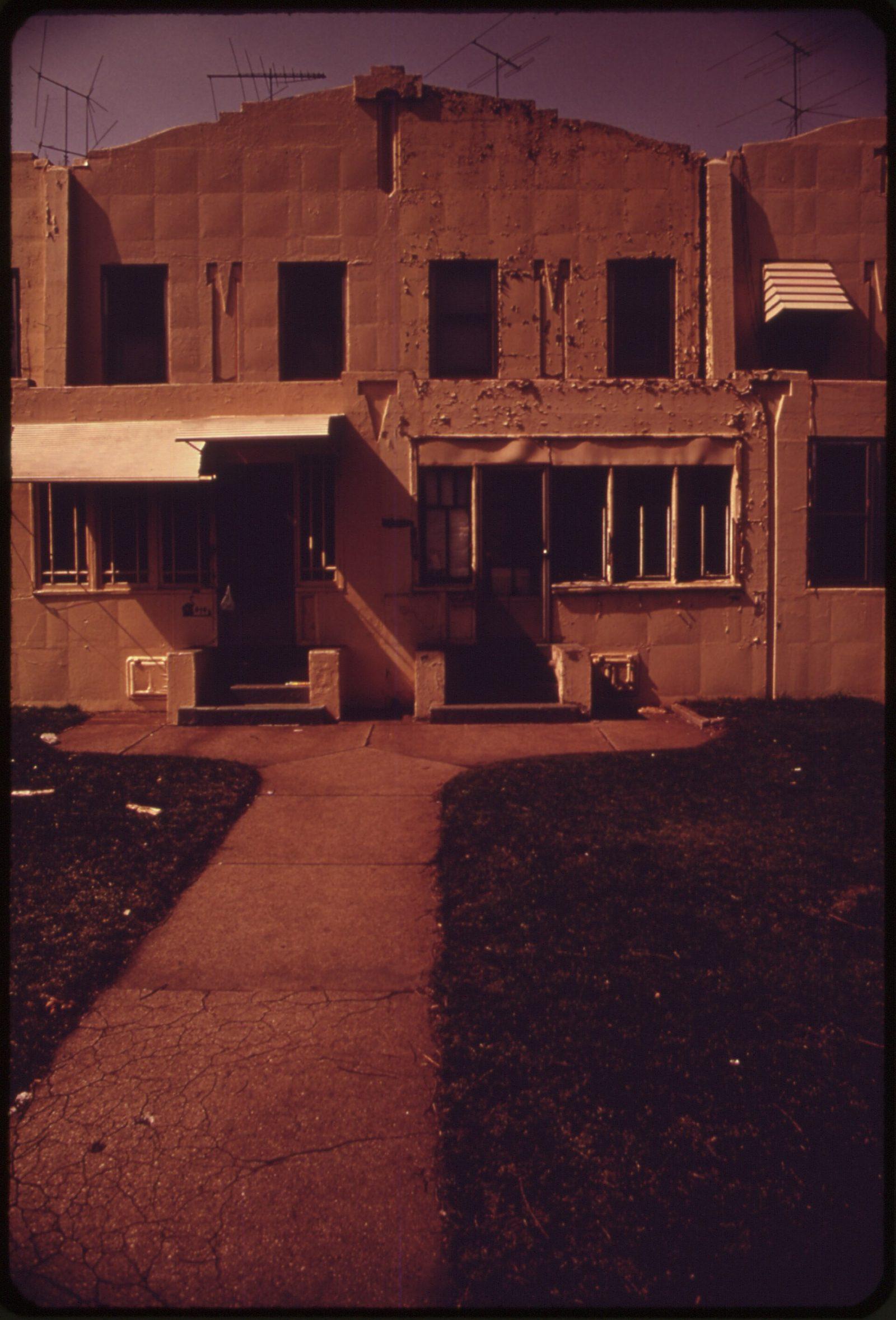
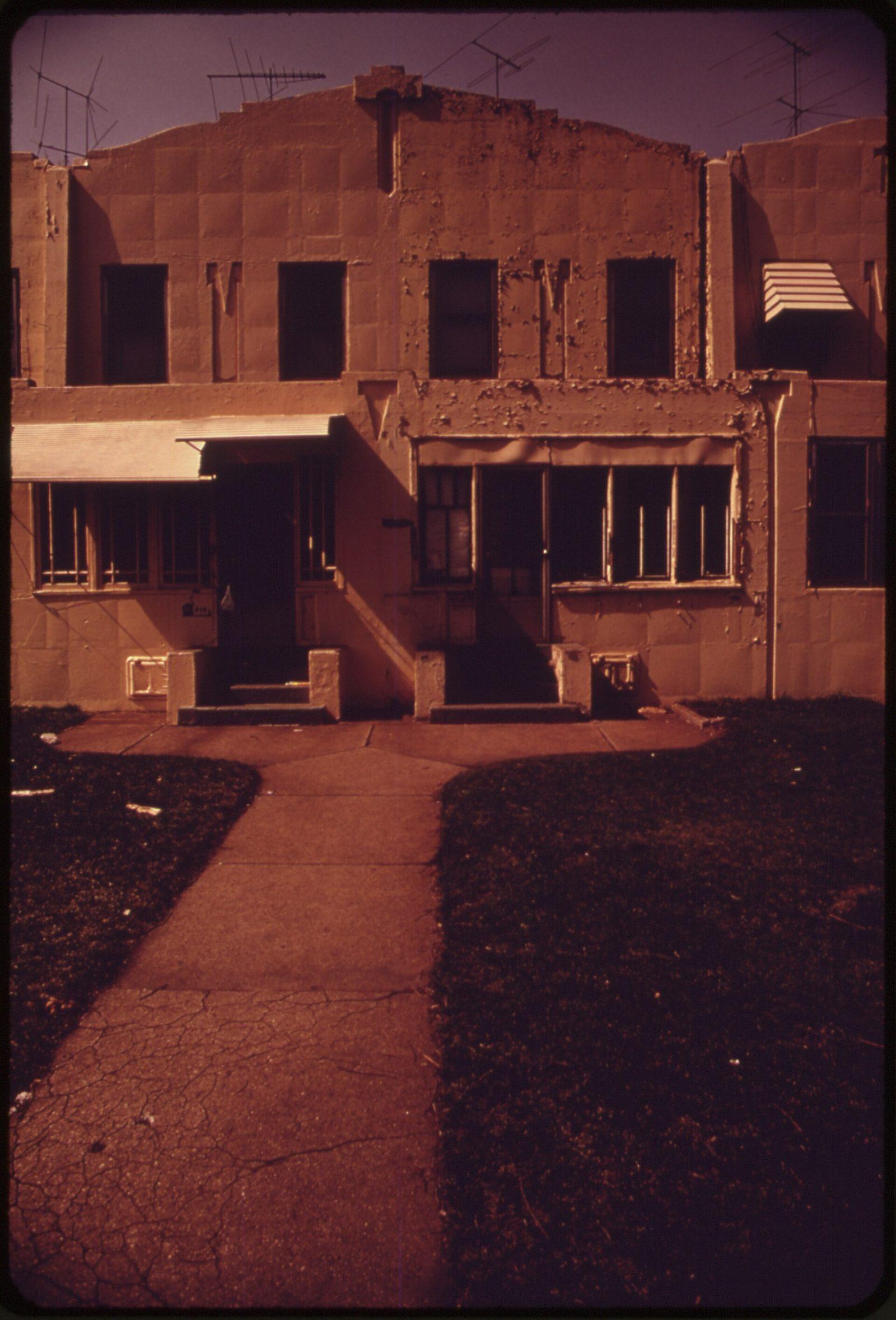
A peeling wall is trying to tell you something, usually in a language more precise than “buy better paint”. On this coastline the dialect is salt, UV, leaks and old enamel. This field guide is what to look at before anyone opens a tin. It belongs in preparation and it saves coastal systems from being wasted.
Chalking: white dust, north walls
Rub the wall. If your fingers come away powdery, the binder is eroding. Pale colours hide it; dark colours show a faded, dusty look. Do: wash, consider a binding primer, recoat while the film is still attached. Do not: roll colour over the powder and call it a two-coat job.
Chalking on schedule (year eight, premium acrylic) is ageing. Chalking in year three is cheap paint, missing coats, or ferocious UV on a dark colour.
Peeling in sheets
Look at the back of the flake.
- Glossy dark back: often old enamel. Go to acrylic over enamel.
- Powdery back: you painted over chalk or dirt.
- Bare timber, grey: the film lost adhesion and UV got to the board. Prime timber, do not just add colour.
- Clean, sharp peel after rain: moisture from behind. Gutters, flashings, showers, garden beds.
Peel in one vertical stripe under a window is not a paint brand. It is a window.
Edge-peel on weatherboards
The bottom edge was not painted, or the lap holds salt and water. Scrape, prime end grain and edges, paint them every time. This is the most boring correct diagnosis on the Peninsula.
Mould and algae: south eaves, shaded renders, bathrooms
Black spotting on south walls and bathroom ceilings is biology plus moisture plus a film it can sit on. Do: kill with a proper mould treatment, rinse, dry, fix ventilation or sun or leaks, then paint with a suitable film. Do not: bleach, skip the rinse, and trap residue under a flat ceiling paint.
Algae on shaded render is similar. Washing without a kill step brings it back with the next humid week.
Salt: the invisible coat
You will not always see it. You will see premature failure on the weather side, rusty nail heads, and a house that “just doesn’t hold paint like inland”. Wash like you mean it. Do not paint in a salt wind. Stainless that is already tea-stained is a hint the air is marine even if your suburb name sounds inland.
Rust bleed and nail heads
Brown tears from nails through weatherboards are rust, not tannin (tannin is more tea-coloured from timber). Punch, prime with a metal primer, then the system. Painting beige over rust bleed is how you get beige rust bleed.
Mapping, cracks and hollow render
Hairline maps through a new coating mean the crack was not treated or the render is moving. Hollow sounds mean the render is leaving. Painting it is cosmetics. See masonry.
Interior cousins
Kitchen peel: grease. Bathroom bloom: moisture. Ceiling sepia: nicotine or a leak. The same rule — diagnose, then coat — applies. Wet areas and kitchens cover the rooms.
A five-minute inspection before you ring anyone
Walk the weather side, the south eave, the worst window, and the bathroom ceiling. Take photos in raking light. Write what you think you see. Give that to the painter. The ones worth hiring will amend your diagnosis rather than ignore it.
Paint is a witness. Read it before you cover it.
Tannin bleed versus rust versus nicotine
Timber tannin is yellowish-brown, often from cedar, meranti or resinous knots, and it returns through ordinary acrylic until you stain-block. Rust is more orange-brown and comes from metal. Nicotine is a film as much as a colour and smells when you wash it. Using the wrong blocker wastes a weekend. Shellac-style stain blockers still earn their keep on nasty ceilings; acrylic blockers have improved. Test a patch.
Flaking on sills and horizontal planes
Horizontals pond. They UV harder. They take bird life. A sill that peels while the wall holds is not a mystery. It is a horizontal. They need more prep, sometimes more coats, and an honest recoat cycle half as long as the wall. Painting a sill with leftover wall paint and no primer is how you decorate a water trap.
When the failure is the building
A peeling patch that returns in the same place after a competent system is a building defect. Interstitial condensation in a sealed Mount Eliza bathroom, a hidden shower leak, a failed gutter behind a parapet — painters can coat the symptom twice. The third time, get a builder. Our editorial standards say we will not pretend a topcoat is a waterproofing membrane.
Photograph in raking light
Noon photos hide everything. Late afternoon on the weather side shows every peel edge and chalk. Send those to the painter. Pretty twilight photos of the bay belong on the listing, not in the diagnosis.
A coastal failure is usually several small truths stacked. Salt plus skipped wash plus old enamel plus a dark colour is not bad luck. It is a list. Tick the list in order and the next film has a chance.
What “good enough” looks like after a wash
A washed coastal wall is not supposed to look newly painted. It is supposed to look honest: firm film, less powder, mould gone, edges visible. If honesty looks too ugly, you are in scrape-and-prime, not in a weekend roll. That distinction is the one that separates a $9,000 recoat from a $18,000 restoration, and it is worth making before anyone tints a deep grey. Honesty on a washed wall is not a defect. It is the brief. Once you can see the edges of the old film, you can finally write a specification that is about chemistry rather than hope.
People also ask
- Why is my exterior paint peeling near the coast?
- Commonly salt contamination, moisture from behind, old enamel under acrylic, or a film applied to chalk. The cure is diagnosis and prep, not a more expensive topcoat on the same wall.
- Can I paint over mould?
- No. Kill and remove it, fix the moisture, prime stains, then paint. Paint-over-mould is a delay.
- What is chalking paint?
- A powdery surface as the binder breaks down under UV. Wash it; often prime it; then recoat. Painting over unwashed chalk is a short-lived cosmetic.