Coastal paint systems for Mornington Peninsula homes
Salt, UV and bay wind eat ordinary exterior paint. This is how to specify a coastal system — wash, primer and topcoats — that lasts on Frankston, Mount Eliza and Mornington houses.
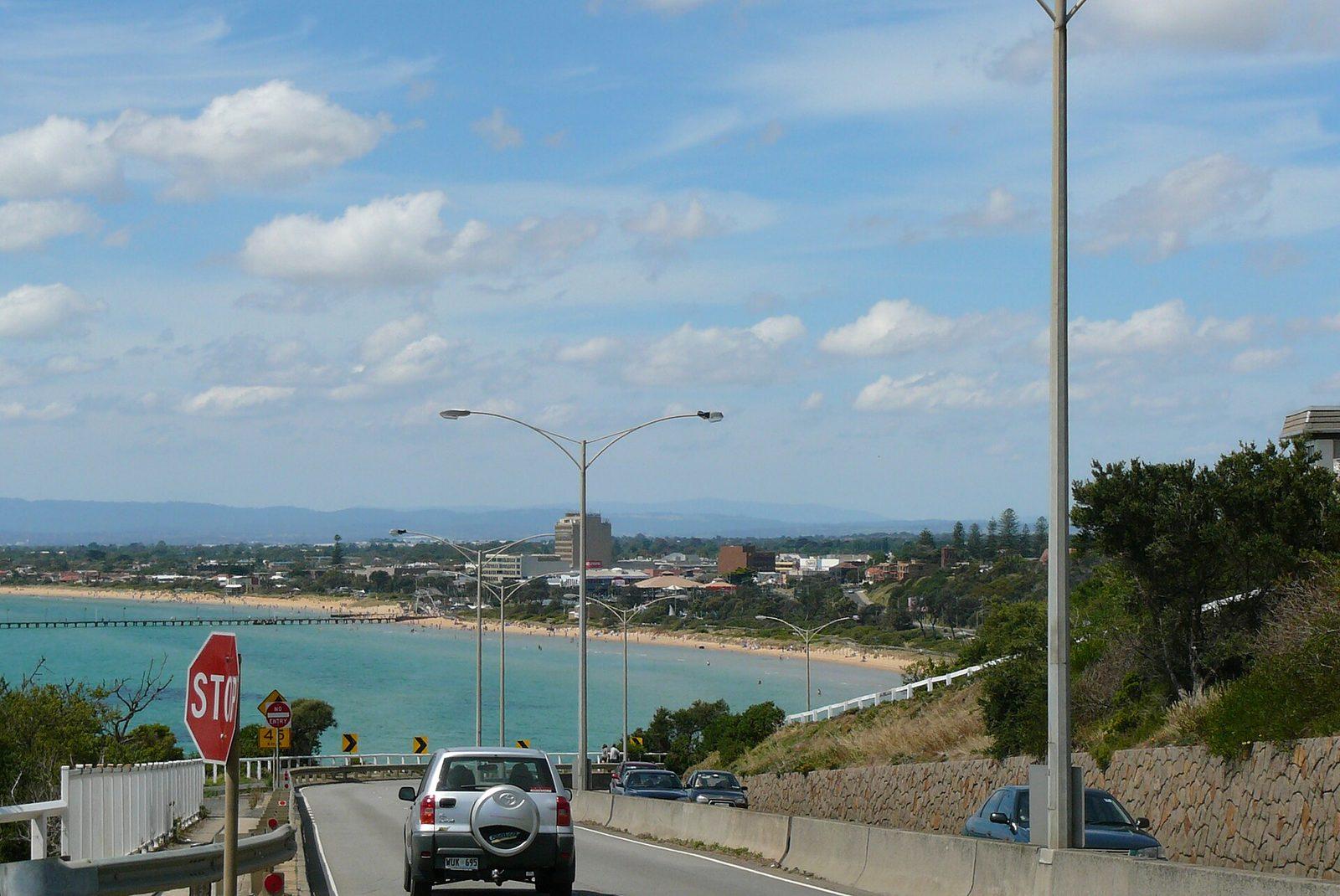
Walk the Olivers Hill lookout after a northerly and you can taste the job. Salt sits on every western eave. UV bleaches the north walls. Rain driven off Port Phillip finds the bottom edge of every weatherboard. A coastal paint system is not a fancier colour chart. It is a sequence — wash, repair, prime, two full topcoats — specified for a house that lives in a marine climate rather than a brochure climate.
Frankston, Seaford, Mount Eliza, Mornington and the western Port Phillip shore sit in a cool temperate maritime band. The Bureau of Meteorology’s long record for the Peninsula shows mild winters, few frosts on the immediate coast, and a UV load that surprises people who think “Melbourne grey” is gentle on paint. It is not. Acrylic films chalk. Cheap alkyds go brittle. Anything applied over salt becomes a release agent.
This piece sits in our exterior and coastal hub. If you are comparing dollars before systems, read the 2026 Frankston painting cost guide next.
What “coastal” actually means on this bay
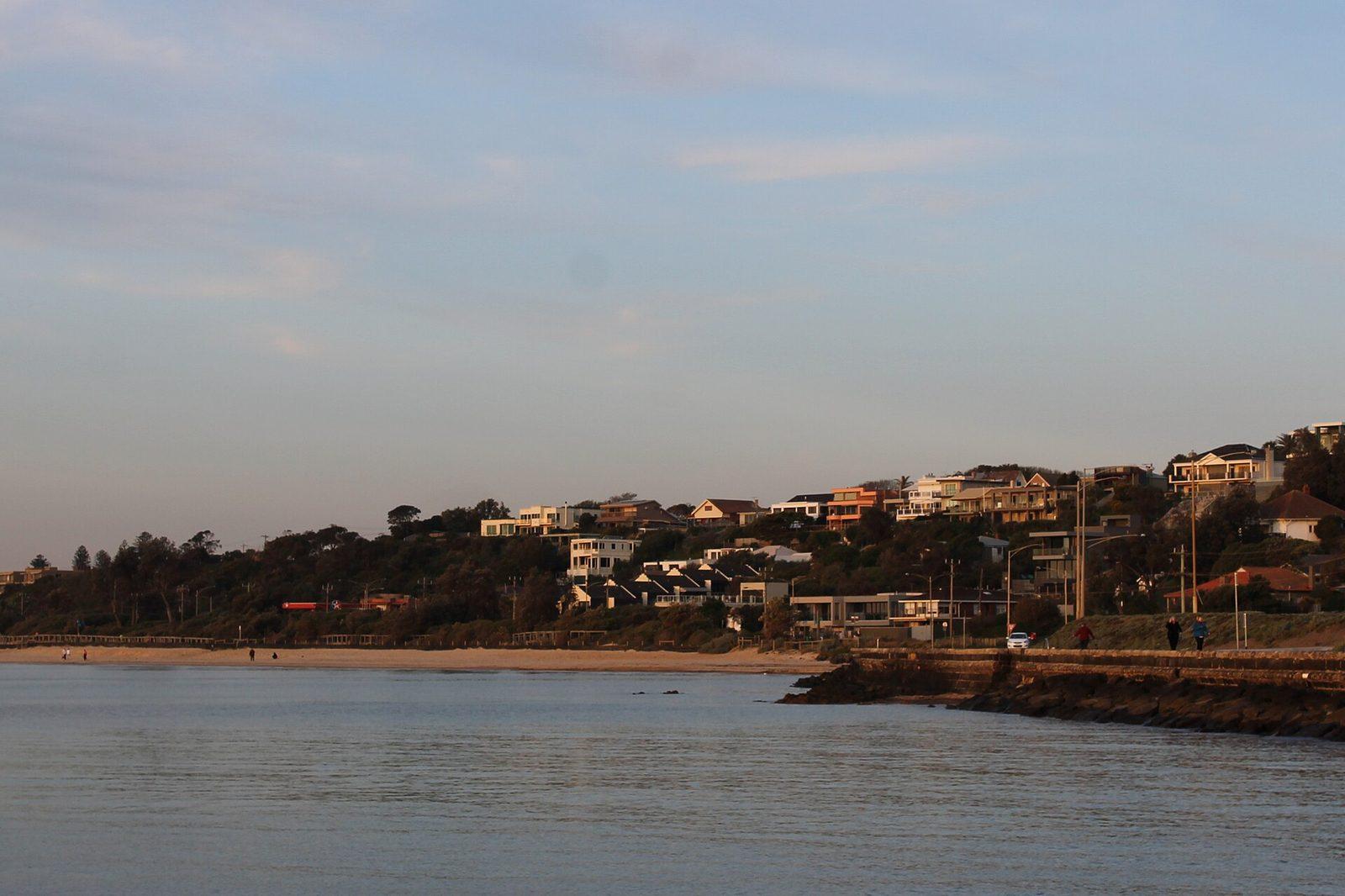
People Also Ask Google “what paint is best for coastal homes” and land on Gold Coast or Sydney copy. Port Phillip is a different water. It is a large, relatively sheltered bay, but the fetch from the west is long enough to throw salt onto Frankston’s esplanade and up the Nepean Highway cuttings. Clifftop houses do not need a cyclone rating. They do need a film that flexes, holds colour, and does not let moisture sit against timber.
Treat a house as coastal if any of these are true:
- You can see water from a first-floor window, even a grey strip of bay.
- Stainless screws on the deck already show tea-staining.
- The previous paint has chalked to a white dust on your fingers within five years.
- Windows on the weather side salt up between cleans.
That list catches most of Mount Eliza’s Humphries Road hinterland as well as the obvious clifftop streets. Langwarrin and Carrum Downs are inland enough to drop back to a standard premium exterior system, which is still two coats, not one.
The system, not the tin
Australian exterior painting is specified as a system in AS/NZS 2311, the guide to the painting of buildings. Manufacturers write warranties against that logic. Dulux Weathershield’s long consumer warranty, Taubmans All Weather, Haymes Ultra Exterior and Wattyl Solagard are all 100% acrylic (or equivalent) topcoats designed for Australian UV. None of them will save a wall that was painted over salt.
A defensible coastal specification for a previously painted weatherboard in Frankston looks like this:
- Wash. Low-pressure clean with a house-wash designed to cut grease and salt. High-pressure blasting that lifts fibres off timber is not cleaning, it is damage. See our note on preparing weatherboards without destroying the timber.
- Diagnose. Chalk, peel, mould, rust on nail heads, open end grain at corners.
- Repair. Putty, primer on bare timber, replace rotten boards. Painting over rot is a very expensive way to hide a carpentry invoice.
- Prime. Spot-prime or full-prime according to the substrate. Chalky acrylic often wants a binding primer. Bare timber wants an oil-based or designated acrylic timber primer from the same brand family. Cement sheet and new render want an alkali-resistant sealer.
- Two topcoats. Not one heavy coat. Dry film thickness is built in layers. Recoat windows published on the data sheet, not “when it looks dry”.
If a quote says “paint the house” without naming the primer and the topcoat as a pair, it is not a coastal specification. Our guide to what a painting quote should include spells out the line items.
Salt, chalk and the five-year failure
The most common failure we see between Seaford and Mount Martha is not dramatic peeling on year one. It is a dull, powdery north wall on year four, followed by edge-peel on the bottom of weatherboards on year six. Chalking is the acrylic’s pigment and binder giving up under UV. Once the film is powder, the next coat has nothing sound to key to unless you wash and, often, prime.
Salt accelerates everything. It holds moisture against the film, feeds mould in shaded south eaves, and sits in the lap of weatherboards where nobody rolls. That is why a coastal wash is not optional prep. It is the first coat in all but name.
If the existing film is peeling in sheets, stop. That is usually contamination, moisture from behind, or a coating stuck to old enamel. Jump to mould, salt and peeling paint before you buy more Weathershield.
Colour, heat and the Peninsula light
Coastal colour is not only taste. Darker hues absorb more UV and heat; on a north-west weatherboard wall in January that is a genuine film-stress issue. Very dark exterior colours still work — Mount Eliza is full of them — but they want a premium system, thorough priming, and an owner who accepts a shorter gloss hold than a south-facing pale grey.
Test colours on the weather side and the shaded side. Peninsula light is sharp off the water in the morning and green-filtered under ti-tree in the afternoon. A sample that looks calm in a Frankston paint barn can go cold on a south wall in July. We unpack palettes in coastal colour palettes for Frankston and Mount Eliza.
Steel, flashings and the bits people forget
A house is not only cladding. Fascia, barge, gutters, window flashings, balcony posts and the odd bit of galvanised pipe all live in the same salt air. Acrylics that sit happily on timber can fail on zinc if you skip an etch or galvanised primer. Stainless and powder-coated aluminium usually want cleaning, not painting. Mixing those decisions on site is how a “small extra” becomes a week.
Two-storey clifftop access is its own problem — scaffolding on a slope, edge protection, neighbours’ tea-tree. See two-storey scaffolding and access on the Peninsula.
How long should a coastal system last?
On a washed, primed, two-coat premium acrylic, seven to twelve years of decent appearance is a fair Peninsula expectation; colour hold on deep tones sits at the short end. Inland Langwarrin can do better. Beachfront Mornington should budget the short end and a maintenance wash every year or two. Warranties that sound like “for as long as you live there” always have maintenance clauses. Read them.
The honest answer to “how often should you repaint a house in Victoria?” is: when the film is still sound enough to wash and recoat, not when it has failed. Recoating a living system is cheaper than stripping a dead one. That timing is the subject of how long exterior paint lasts in Frankston’s climate.
What to ask a painter this week
Ask what they wash with, what they prime with, how many topcoats, which product data sheet they are following, and whether the price includes the weather side’s extra prep. Ask whether they will paint in a salt wind or wait. A crew that wants to roll through a blustery northerly is selling hours, not a film.
Then walk your own walls with a wet sponge. If the sponge comes away white, you are in chalk, not in a colour decision. Start there.
People also ask
- What paint is best for coastal homes on the Mornington Peninsula?
- Specify a premium 100% acrylic exterior system rated for coastal exposure, typically a stain-blocking or alkali-resistant primer plus two coats of a product such as Dulux Weathershield or Taubmans All Weather. The system matters more than the logo — washing salt off, priming bare substrate and keeping film thickness up are what stop the bay from eating the finish.
- How close to Port Phillip does paint need a marine-grade approach?
- Homes within about two kilometres of the bay, and especially clifftop streets on Olivers Hill, Mount Eliza and Mornington, see salt aerosol every windy day. Treat anything with a water view, or a street that copes with a southerly buster, as a coastal specification even if the brochure calls it “suburban”.
- Do I need a special primer near the water?
- Yes if you have bare timber, chalky old acrylic, galvanised flashings or cement sheet. A matching primer from the same system is cheaper than a third topcoat applied over contamination.