How long does exterior paint last in Frankston’s climate?
Seven years, twelve years, or “until it chalks”? A practical life-span guide for exterior paint on Frankston, Seaford and Mornington houses, including UV, salt and when to recoat.
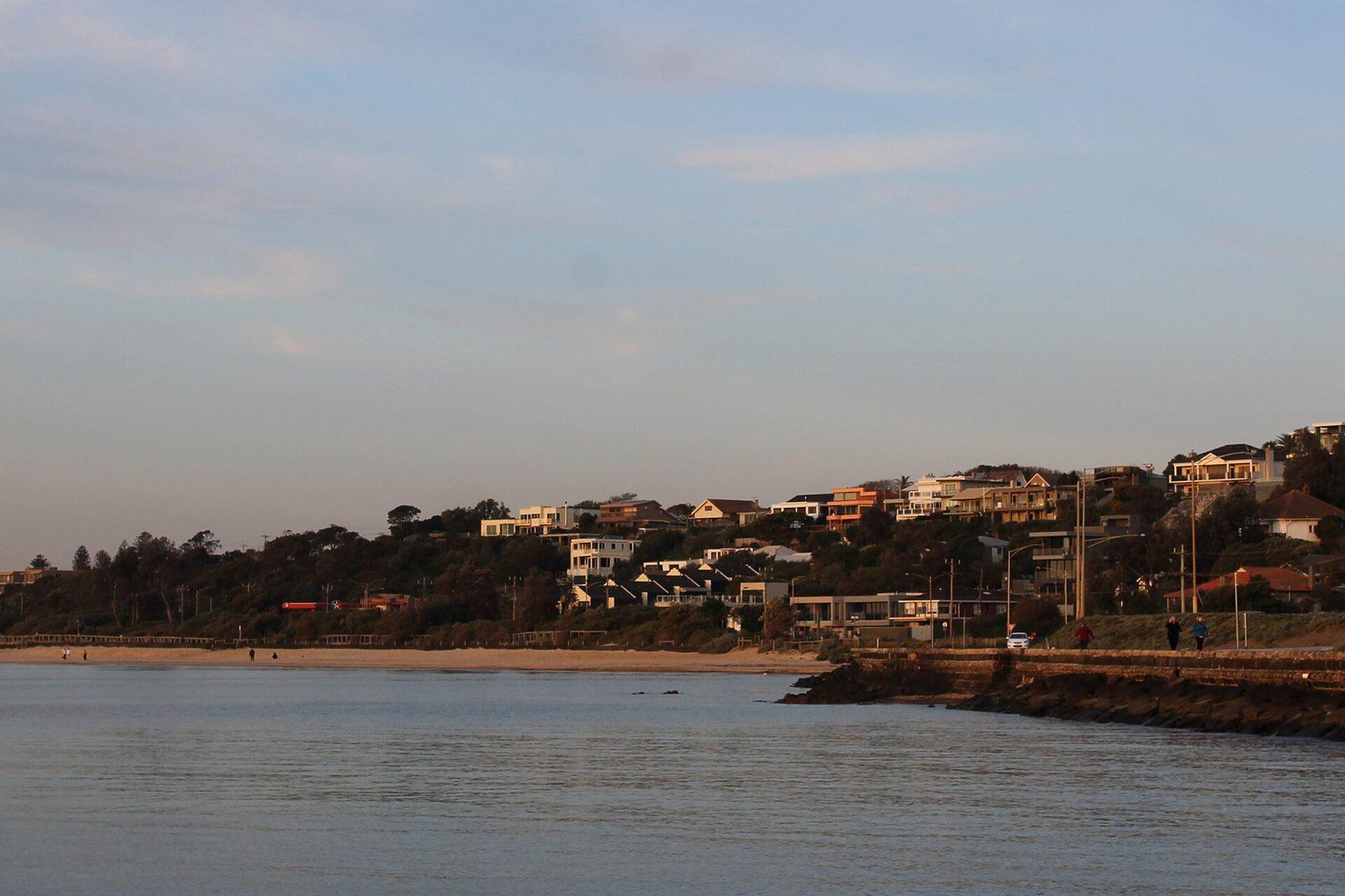
Owners ask “how long does exterior paint last?” as if the tin had a clock. The clock is the house. A Seaford weatherboard facing the bay, a Langwarrin brick-veneer trim-only job, and a Mount Eliza clifftop render do not age on the same calendar. Frankston’s climate is mild on paper and quietly brutal on film: UV, salt aerosol, driving rain, and the odd 40-degree north wind that cooks a dark wall before the sea breeze arrives.
This is a life-span guide, not a warranty advertisement. For the specification that creates a long life, start with coastal paint systems.
The honest ranges
Use these as planning numbers for 2026, assuming two topcoats of a premium Australian exterior acrylic and prep that would not embarrass AS/NZS 2311:
- Trim-only brick veneer, inland court, pale colour: 10–14 years before a serious recoat.
- Rendered single-storey, Frankston North / Langwarrin: 9–12 years.
- Weatherboard, Seaford or Frankston South, mid colour: 7–11 years.
- Clifftop or esplanade, dark colour, full weather exposure: 6–9 years of good appearance; longer if you wash and spot-repair.
- Builder-grade paint, one coat, unwashed walls: 3–5 years, sometimes less on north-west walls.
“Good appearance” means the colour still reads as intended and the film is not powdering off on your hand. Waterproofing and substrate protection start slipping earlier than pride does. Recoat for protection, not only for Instagram.
What shortens a film in this climate
UV. Melbourne’s south-east still sees a strong summer UV index. Acrylic binders slowly erode. Pigments fade, especially bright reds and deep blues. Pale coastal greys hide the ageing; that is one reason they dominate Mount Eliza.
Salt. Salt is hygroscopic. It keeps the film damp, invites mould on south eaves, and sits in weatherboard laps. Unwashed salt is the Peninsula’s favourite release agent.
Moisture from behind. Leaking gutters, unflashed window heads, garden beds over the damp course, bathroom exhausts dumping into the eave. Paint cannot out-vote a building defect. If a patch keeps peeling in the same place, stop painting it and look up.
Movement. Timber moves. Rigid films crack. That is why modern acrylics won: they flex. It is also why thick, proud layers of old enamel under new acrylic become a sandwich that splits.
Colour. Dark hues run hotter. On a weatherboard in January the surface can sit well above air temperature. Heat plus UV plus a thin film is how you get premature checking.
Chalking is a warning, not a style
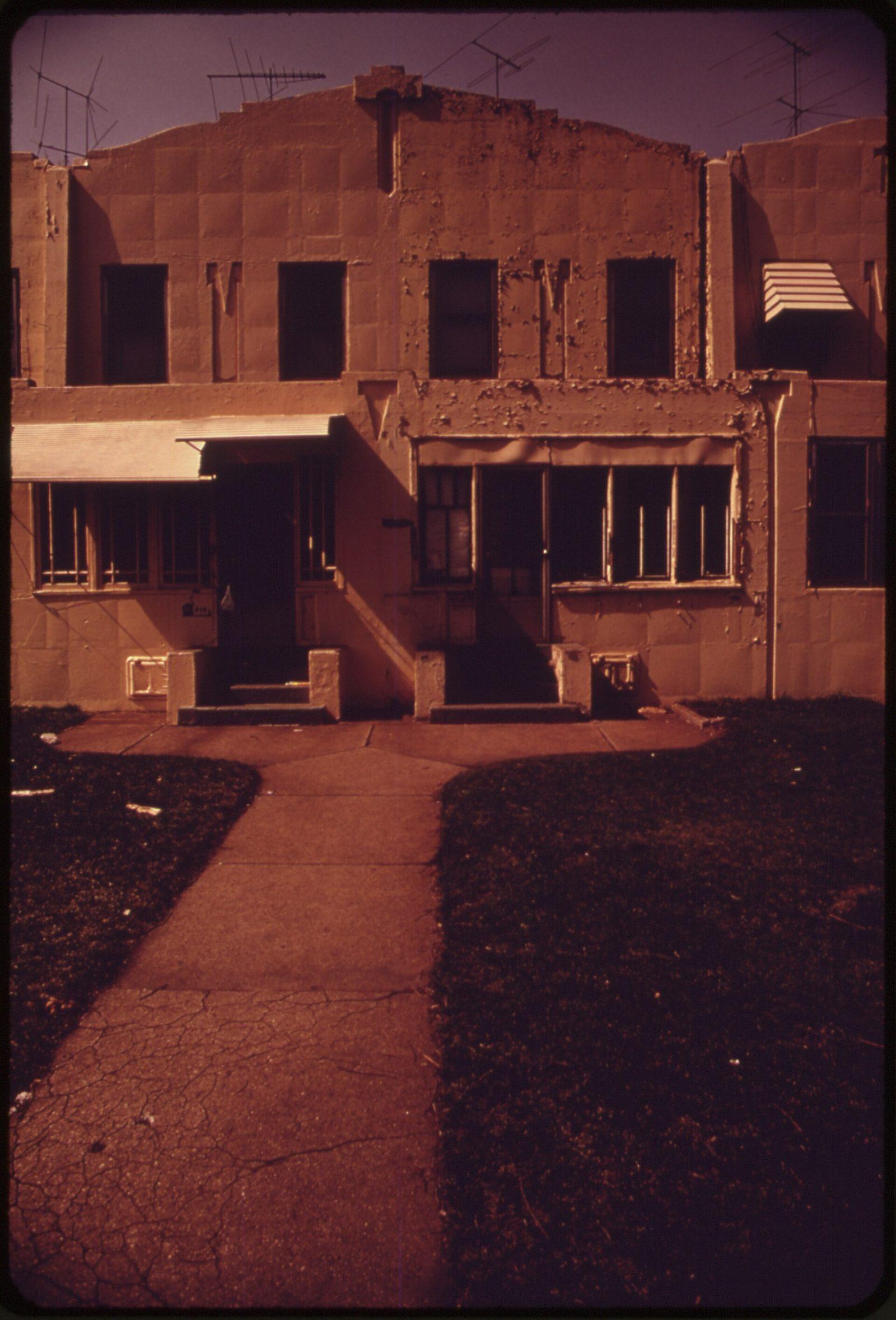
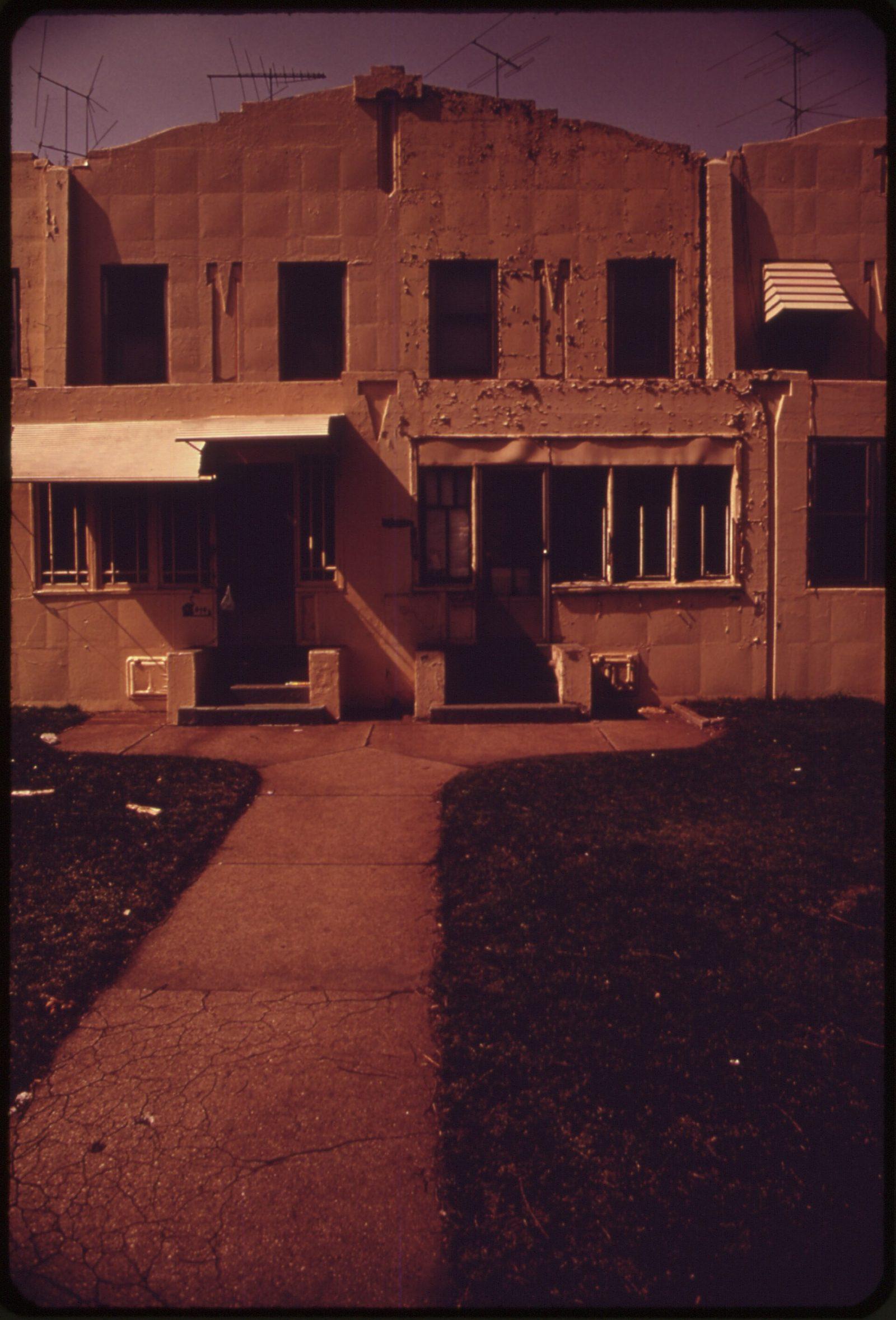
Chalking feels like dust. It is the binder giving up. A maintenance wash can slow the look of it. A recoat over unwashed chalk is a short story with a sad ending. If a sponge comes away white, budget a wash and, often, a binding primer before the next colour. That work is cheaper in year eight than a strip in year twelve.
Peeling in sheets is a different letter. That is adhesion loss — contamination, moisture, or a coating mismatch. Treat it as a diagnosis, not as a reason to buy a more expensive topcoat.
Warranties, maintenance clauses and reality
Premium Australian exterior systems advertise long warranties. Read the PDF. You will find requirements to wash, to use the nominated primer, to apply the right dry film thickness, and to not expect miracles on horizontal surfaces (handrails, window sills) that pond water. Horizontal paint lives half as long as vertical paint. Anyone who has owned a front-door landing already knows.
A warranty is not a maintenance plan. A maintenance plan is: rinse salt off the weather side once or twice a year, keep gutters clear, touch bare timber the season you see it, and recoat while the film still exists. The seasonal painting calendar is built around that.
Interior versus exterior cycles
Interior paint in a gentle bedroom can last fifteen years. Hallways and wet areas cannot. Exterior cycles are shorter because the sky is involved. If you are sequencing a full house, do the exterior when the weather window is right, not when the interior colour mood strikes. Combined jobs are tempting; they are also how interiors get dust in July because someone insisted on spraying the eaves in a northerly. Sequence is a quoting issue as much as a calendar issue.
When waiting costs more than painting
The false economy is waiting until boards are grey and edges are furred. Grey timber needs primer and often filler. Failed films need scraping. Lead layers, if present, need controls. The jump from “maintenance recoat” to “restoration” is where Frankston invoices grow by five figures. Recoat a living system.
If you are unsure which side of that line you are on, pick a north wall, wash a square metre, and see what is left. Sound film with chalk is a recoat. Patchwork peel is a specification conversation. Bare grey timber is carpentry plus primer. That one square metre is the most valuable painting you will do this year, and it does not even need a colour.
A Frankston street as a timeline
Walk a mixed block in Frankston South and you can date the last repaint without knocking. The house with bright, slightly plastic-looking acrylic and sharp shadow lines is probably inside three years. The house with a still-honest colour and a bit of dust on the sponge is the seven-year mark — the sensible recoat window. The house with grey boards at the bottom course and a halo of bare timber around every nail is the restoration. Same street, same salt, three different invoices.
Cladding changes the clock too. Face brick with painted fascia only is a small, high-reach job that still chalks, but the walls themselves are not in the cycle. Rendered 1990s estates around Karingal collect hairline cracks that telegraph through cheap elastomeric coatings. Cement-sheet infills under 1970s windows fail at the joints first. None of those clocks match a 1954 weatherboard. If a painter quotes one “per square metre for the whole peninsula”, they are averaging away your house.
Record-keeping that actually helps
Keep the product names, the colour codes, the date, and a photo of the north wall on a clear afternoon. When you recoat, you want to know whether you are putting a deep base over a deep base or fighting an unknown pastel. Dulux and Taubmans both tint from bases; putting a transparent base over a high-hide history is how you get flash. The next painter, or your future self, should not have to guess.
If you sell, that packet is worth more than a staged bowl of lemons. Buyers on the Peninsula have learned to look at eaves. A documented seven-year-old Weathershield system is an asset. A mystery coat from a cash job in 2018 is a discount. Duration is not only chemistry. It is paperwork.
People also ask
- How long does exterior paint last in Victoria?
- A premium two-coat acrylic on a well-prepared suburban wall often looks acceptable for eight to twelve years. Coastal Frankston and clifftop Mornington sit closer to seven to ten. Cheap paint, skipped primer or unwashed salt can fail in three.
- How often should you repaint a house in Australia?
- Recoat while the old film is still sound — typically when chalking is obvious and edges are dull, not when sheets are peeling. That is usually a cycle of seven to twelve years on the Peninsula, with a maintenance wash in between.
- Does Dulux Weathershield last longer near the bay?
- It lasts longer than a builder-grade acrylic if it is applied as a system on a clean substrate. It does not invent extra years on a salt-caked, unprimed weatherboard. Warranties require maintenance.