Two-storey scaffolding, access and safety on Peninsula sites
Height, slopes, tea-tree and tight setbacks decide a Peninsula paint price as much as square metres. How scaffolding, EWPs and edge protection actually work in Frankston and Mornington.
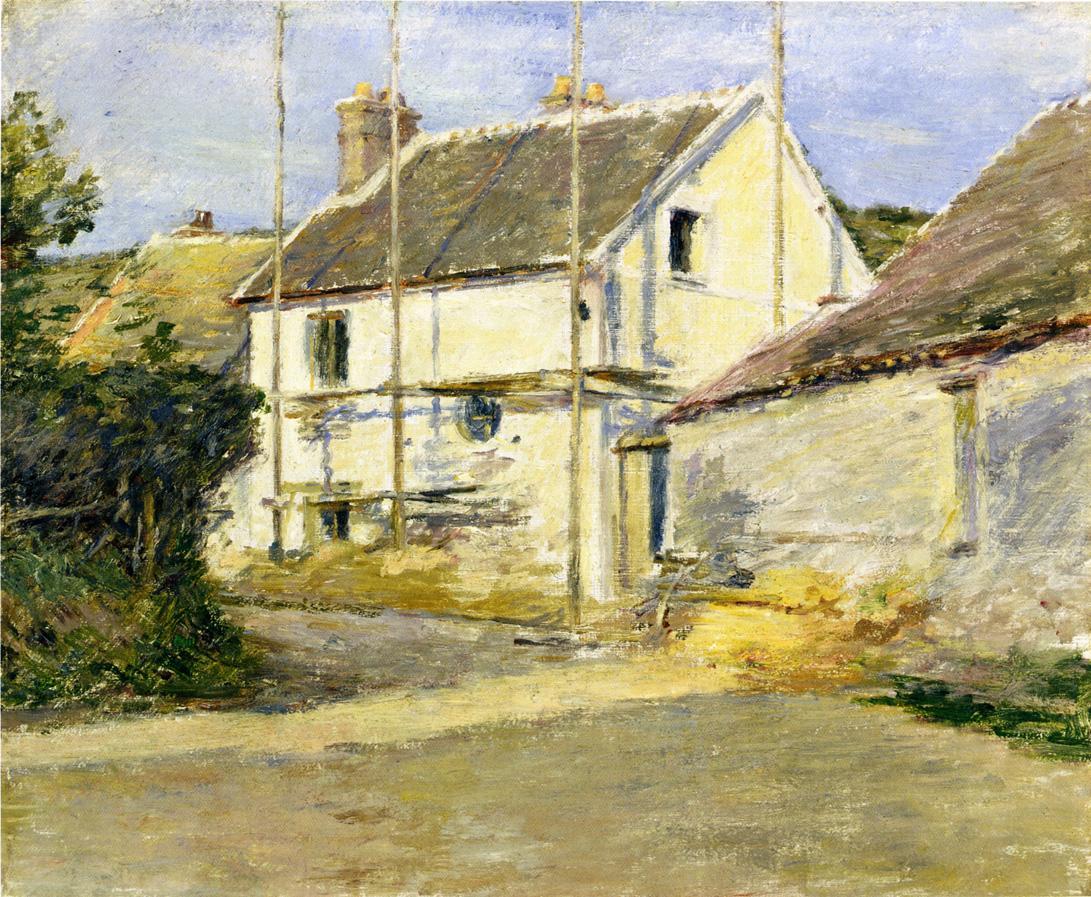
A two-storey weatherboard in Mount Eliza is not twice a single-storey weatherboard. It is a different job. The extra storey adds wall, but it also adds a fall, a scaffold bay, a conversation with the neighbour whose tea-tree occupies the only sensible footing, and a slower working day. Owners who compare a $9,000 single-storey quote in Langwarrin with a $14,000 two-storey quote on Olivers Hill and call the second painter greedy are comparing gravity to a spreadsheet.
This is the access chapter of the exterior hub. The dollars sit in the cost guide; the paperwork sits in what a quote should include.
What “working at heights” means on a domestic job
Victoria’s occupational health and safety laws do not vanish because the site is a family home. Painters and their subcontractors have duties. So do owners who control the site. You do not need to recite regulations over the fence. You do need to be suspicious of a crew that wants to run planks between two ladders along a two-storey eave.
Typical lawful access on Peninsula houses:
- Scaffold for long elevations, weatherboards, and anywhere you need to scrape as well as roll.
- Elevating work platforms (EWP / cherry picker) for open lawns, simple geometry, and trim-only brick veneers with decent vehicle access.
- Towers for isolated gables.
- Ladders for short, controlled tasks, not for a week of eaves.
If the quote is cheap because “we don’t bother with scaffold on these”, you are buying their risk and, eventually, your incomplete eaves.
Sloping sites, clifftops and the Olivers Hill problem
Frankston’s southern climb and Mount Eliza’s clifftop streets combine height with slope. Scaffold bays need more packers, more ties, more time. Footings sit in gardens people care about. Wind off the bay makes lightweight towers lively. An EWP that looked clever on a flat Seaford block cannot stand on a 20-degree lawn above a retaining wall.
Allow for:
- Extra days of scaffold hire if weather stops the coating.
- Protection of terracotta, slate or Colorbond roofs where ties and hop-ups sit.
- Temporary removal of clothes lines, satellite dishes, and the basketball hoop that seemed like a good idea in 2014.
- Traffic management if the only set-up is on a Nepean Highway service road. Rare, expensive, real.
Neighbours, fences and tea-tree
Peninsula blocks can be generously vegetated and emotionally fenced. A bay of scaffold may need to sit over a boundary. That is a conversation, sometimes a licence, always courtesy. Cutting a neighbour’s screen planting to save a painter an hour is how you buy a dispute that outlives the paint.
Ask the painter who talks to the neighbour. Ask whether plant protection is included. Ask what happens to irrigation lines along the side setback — they are always there, they are always plastic, and they are always forgotten until a scaffold jack meets them.
How access shows up in the price
As a planning rule of thumb, two-storey work often adds 40 to 60 percent to the comparable single-storey coating price, before you count extra wall area. On difficult access it can double the labour line. Scaffold hire for a modest two-storey might be a few thousand dollars; around a large Mornington house with returns and a garage it is more. EWP hire looks cheaper until the machine cannot reach the back corner and a scaffold still appears.
Quotes should separate access from coating if the numbers are large. At minimum they should name the method. “Supply and install scaffold, paint, dismantle” is a sentence with a beginning and an end. “Paint two-storey” is not.
Interior stairwells are height too
Owners forget that a double-height entry in a Mount Eliza spec home is a working-at-height interior. Painters will bring internal towers, sometimes an EWP with white non-marking tyres if the floors allow. Dust, occupancy and pets become the constraints. If you are doing interiors at the same time, read painting kitchens without shutting the house and plan where the dog will live for a week.
Weather windows at height
Acrylics have temperature and humidity windows. Wind is the extra Peninsula variable. Spray drift off a two-storey eave in a northerly does not only waste paint. It spots cars three doors down. Back-rolling from a hop-up in a 30-knot afternoon is miserable and produces a thin film. A painter who reschedules a windy day is protecting the job. A painter who “gets it done” is protecting the calendar. The seasonal calendar is written with this in mind.
Questions that sort serious crews from hopeful ones
- How will you reach the rear gable?
- What is in the price if the EWP cannot get down the side?
- Who is the scaffold subcontractor, and are they licensed for what they are erecting?
- What is the plan for the glass conservatory roof you have to work above?
- How do you protect the pool?
If the answers are vague, the height is not priced. Height that is not priced will still be climbed. It will just be climbed badly.
Access is unglamorous. It is also the reason one house on a street costs $10,000 and the next costs $18,000 with the same colour. Believe the slope.
Pools, glass and the things under the hop-up
A hopping plank above a pool is a contamination and a drowning-risk conversation. Cover, isolate, or sequence when the pool is not a playground. Conservatory roofs and large skylights need boards and edge protection, not optimism. Broken glass is more expensive than scaffold.
Permits, nature strips and council
Sometimes a bay of scaffold sits on a nature strip or a footpath. Frankston City and Mornington Peninsula Shire have opinions about that. The painter may organise it; you may still be the occupier who gets the letter. Ask. Do not discover the opinion via a sticker.
Insurance when something is dropped
A phone, a scraper, a tin. Public liability is the document. Ask for it. If the crew is “mates helping”, you are the policy. That is not a vibe for a two-storey eave.
Interior voids again, because people forget
The Mount Eliza entry with a 6-metre void is an interior access job with exterior-style risk. White floors, hanging pendants, and a teenager on the stairs. Towers with proper feet, drop sheets that are actually stuck, and a day when the house can be closed. Cheap quotes skip the tower and “cut in from the stairs”. That is how you get a wobbly line and a wobbly painter.
If access is written down, height is priced. If access is a shrug, height is still there. It will be climbed with whatever is in the van. You will live with the film that method produces.
People also ask
- Why does two-storey painting cost so much more?
- Because access is a trade. Scaffold, edge protection, extra labour to move gear, and slower work at height can add 40 to 60 percent to a single-storey price, sometimes more on clifftop or sloping sites.
- Do painters in Victoria need scaffolding for a two-storey house?
- Not always — some elevations suit an elevating work platform — but they do need a lawful way to work at height. Ladders for a full two-storey weatherboard are a red flag, not a saving.
- Who pays if the scaffold sits in a neighbour’s airspace?
- You do, in time and courtesy, even if the painter organises it. Tight Frankston setbacks often need a conversation before a bay of scaffold appears over the fence.