Weatherboard painting on the Peninsula — prep, primers and two-coat systems
Weatherboards are the Peninsula’s most photogenic cladding and its most labour-heavy repaint. Here is the actual sequence: wash, scrape, prime the bare timber, then two coats that move with the board.
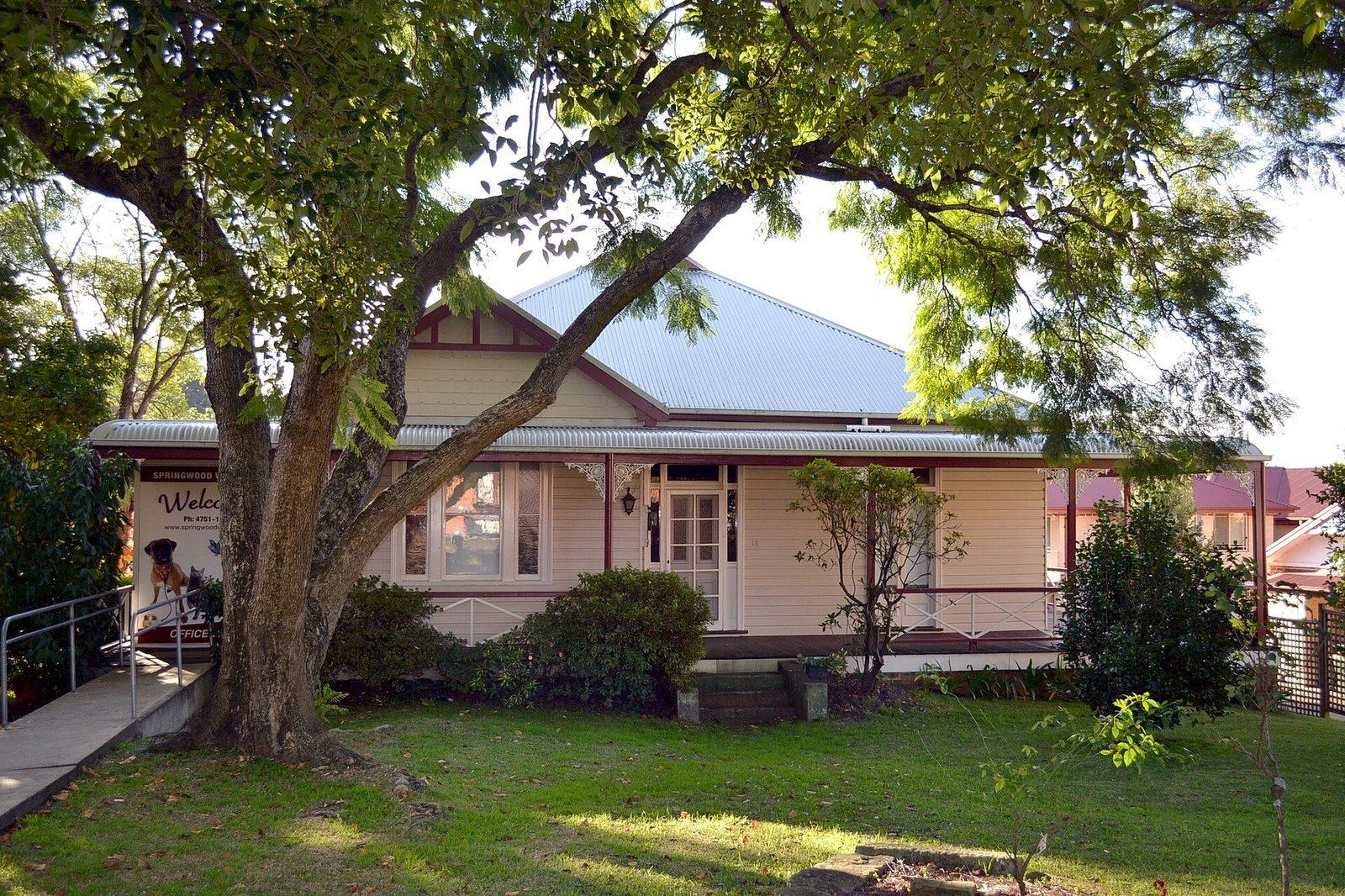
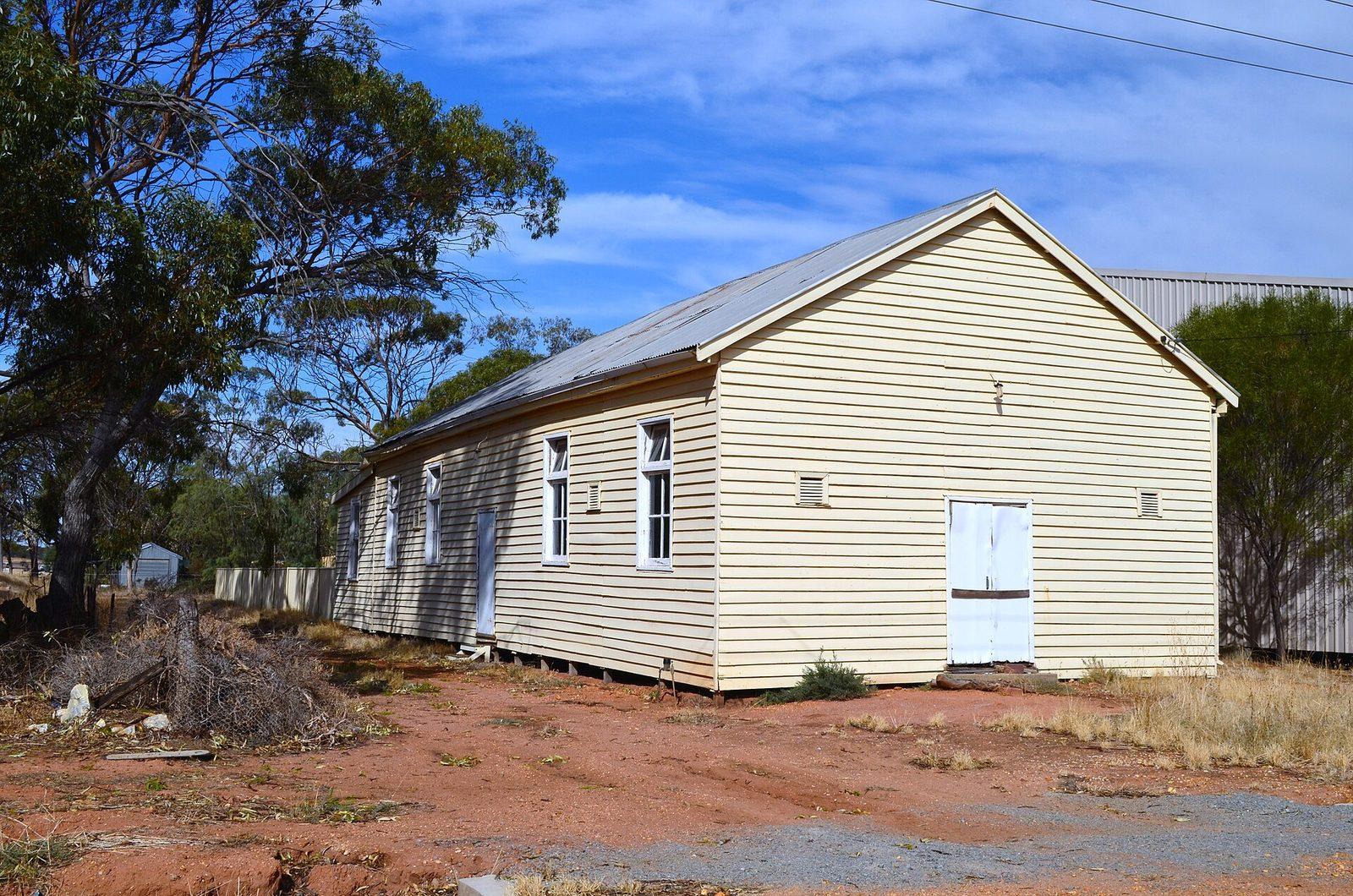
Frankston’s older streets are a lesson in lapped timber. Seaford’s post-war bungalows, the Californian bungalows toward Mount Eliza, the little cottages behind the Nepean Highway — weatherboards are still the cladding that makes a Peninsula house look like a Peninsula house. They are also the cladding that punishes a lazy repaint. Each board has a face, a bottom edge, a top lap and two cut ends. Miss the edge and water sits there all winter.
This is not a DIY dare. It is a map of the work, so a quote for weatherboard painting means something when it lands on the kitchen table.
Why weatherboards cost more per metre
A rendered wall is a plane. A weatherboard wall is a corrugated landscape. Paint consumption goes up. So does labour. Scraping a failed bottom edge on 140 millimetre boards across a 12-metre run is a morning. Multiply by four walls, gables, and the bay-window return on a 1930s bungalow and you understand the cost guide.
Typical 2026 ranges for the south-east, GST in, two topcoats, fair access:
| Condition | Single-storey | Two-storey |
|---|---|---|
| Sound film, wash and recoat | $8,000–$12,000 | $14,000–$22,000 |
| Patch-peel, spot prime, some filling | $11,000–$16,000 | $18,000–$28,000 |
| Grey timber, rot, lead, coastal strip | $16,000–$25,000+ | $24,000–$40,000+ |
Those numbers move with scaffold, colour count and whether the eaves are included. They do not include replacing boards. Carpentry is a different trade and should look like one on the invoice.
The order of operations
People Also Ask “do you need to sand weatherboards before painting?” The useful answer is: sand what has failed, wash what is sound, never skip primer on bare timber.
- Protect. Plants, windows, paths. Acrylic over sandstone pavers is a permanent feature.
- Wash. House wash, soft brush in the laps, rinse. Salt and chalk must go. High-pressure close-up on old hardwood is how you grow a fur of raised grain that drinks primer.
- Scrape and sand failed film. Feather the edges. If you can slide a scraper under a sheet, that sheet was already leaving.
- Check for rot and movement. Soft boards at the bottom course, around taps, behind downpipes. Replace or splice. Paint is not timber.
- Fill and caulk where the system wants it. Flexible gaps at windows; do not glue a moving board to a rigid sheet of filler.
- Prime every bare patch. Full prime if the house has been taken far back. On old enamel, see painting over oil-based enamel.
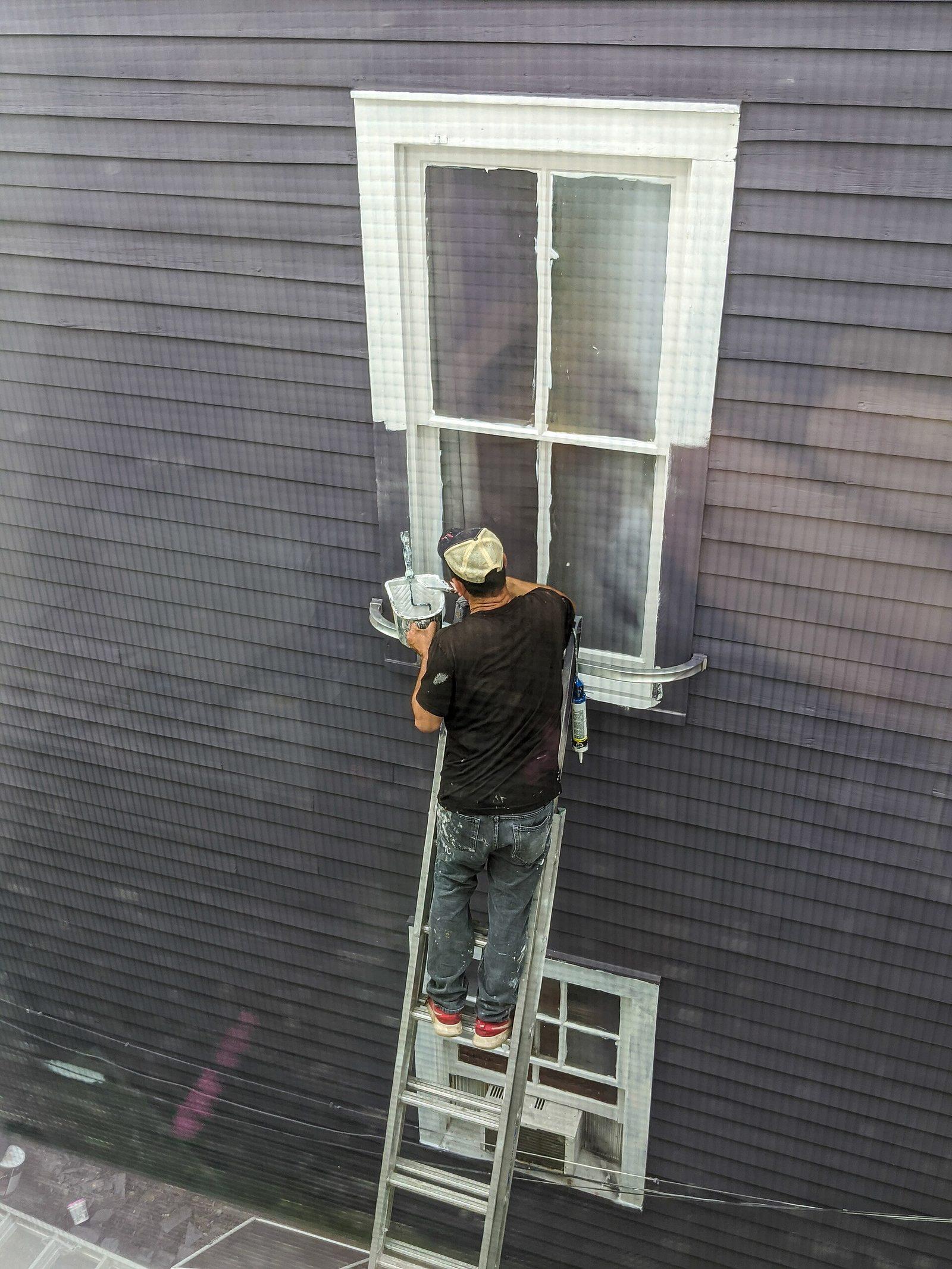
- Two acrylic topcoats, board by board, including the bottom edge. Cutting in the lap is the difference between a trade finish and a weekend.
AS/NZS 2311 is dry about this and correct. Preparation is the coating.
Oil, acrylic and the enamel trap
Many Peninsula weatherboards still wear decades of alkyd enamel under later acrylic. Enamel goes brittle, acrylic flexes, and the meeting point becomes a peel line that looks like “the new paint failed”. It failed because it was asked to cling to a glossy, chalky, under-sanded enamel.
A test patch in a discreet corner tells you more than a brand name. Sand, apply the nominated primer, two topcoats, then leave it through a wet week. If it tents, the specification is wrong. If it holds, you have a system.
Premium acrylics — Weathershield, All Weather, Haymes Ultra Exterior — are the right topcoats for most boards that still move with the seasons. Oil topcoats yellow and chalk in our UV. Keep oil for primers and for the odd interior trim, not for a north wall in Mount Martha.
Lead paint on older boards
If the house is older than about 1970, assume lead until a test says otherwise — especially dark glosses on eaves and windows. WorkSafe Victoria and the federal lead-paint guidance are not optional reading. Dry sanding a lead film into the garden of a Seaford weatherboard is how you turn a repaint into a contamination job. Wet sand, contain, dispose. Our lead paint note for pre-1970 homes is the longer version.
Coastal boards versus inland boards
A Langwarrin weatherboard in a court copes with frost and UV. A Frankston South board copes with salt. Same timber species, different enemy. Coastal boards want the wash taken seriously and the bottom edges painted every time. Inland boards more often fail from neglected gutters and garden beds piled against the bottom course. Both fail if you paint over grey, UV-degraded timber without priming. Grey timber is weathered wood, not a rustic colour. It needs primer.
Colour on lapped timber
Three-colour schemes — wall, trim, front door — suit bungalows. Five-colour heritage fantasies on a 1958 Seaford weatherboard usually look like a costume. Keep the wall colour a little lighter than your first instinct; laps throw shadow and darken the read. More on that in three-colour exterior schemes and the heritage colour guide.
What a weatherboard quote must say
“Paint weatherboards, two coats” is not enough. You want wash method, sanding extent, primer name, topcoat name, whether bottom edges and end grain are included, how many colours, and how rot is handled if it appears. You want to know if the price assumes a cherry picker, a scaffold, or a hopeful ladder. Height is not a vibe. It is a line item, covered in our scaffolding piece.
If two quotes differ by $6,000, they are not quoting the same house. They are quoting different amounts of honesty about prep. Choose the one that talks about laps.
Board profiles and why they matter
Not every “weatherboard” is a 150 millimetre hardwood lap. Frankston has true timber, cement-look boards, vinyl pretending to be timber, and the odd fibre-cement weatherboard from later renovations. They do not take the same primer. Vinyl is usually cleaned, not painted, unless you like peeling in the sun. Fibre cement wants an alkali-aware sealer and does not want oil-based primers that stay soft. Hardwood laps want the end grain sealed or the first rain will darken every butt joint.
Look at the bottom course from the side. If boards have cupped, the lap is a gutter. Painting a cup without addressing the cup is how you get a stripe of failure a year later. A good painter will say so. A cheap quote will roll over it.
Spray versus brush and roller on boards
Airless spray is fast on planes and clumsy on laps unless it is back-brushed. Back-brushing works the coating into the bottom edge and the weather face. A sprayed-only weatherboard house often shows fat edges and starved laps — pretty from the street at handover, hungry in year four. Brush and roller are slower and usually more honest on a cottage. Spray plus back-roll is the commercial compromise on large, regular elevations. Ask which one you are buying. Tool choice is not a personality test; it is in brushes, rollers and spray.
People also ask
- Do you need to sand weatherboards before painting?
- You need the surface de-glossed, de-chalked and keyed, which usually means washing plus targeted sanding rather than belting every board back to bare timber. Bare patches, greyed timber and failed edges must be sanded and primed. Sound acrylic with a bit of chalk often needs a wash and a binding primer, not a full strip.
- How much does it cost to paint a weatherboard house in Victoria?
- In 2026 a single-storey weatherboard in fair condition around Frankston typically lands between about $8,000 and $16,000 for a proper exterior system, and more once height, rot, lead paint or coastal prep show up. Per-square-metre rates of $35 to $70 are common because every board has edges.
- Should weatherboards be painted with oil or water-based paint?
- Modern premium acrylics are the usual topcoat. Oil-based primers still have a place on bare or tannin-rich timber. Putting straight acrylic over old gloss enamel without sanding and priming is a classic Peninsula peel.