Painting over oil-based enamel with water-based systems
Old gloss enamel under new acrylic is a classic Peninsula peel. How to test, sand, prime and overcoat so the next film actually stays on doors, trims and weatherboards.
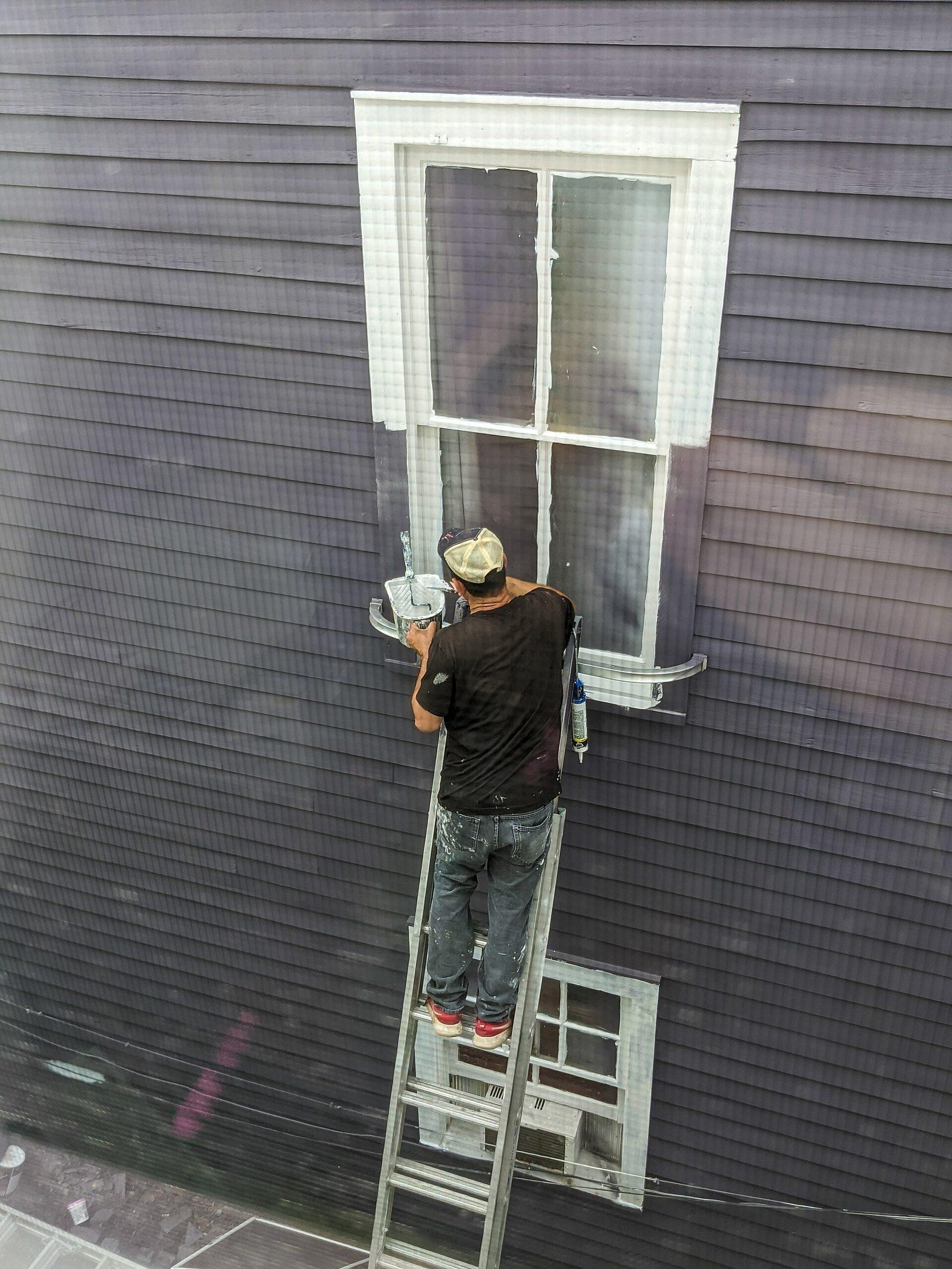
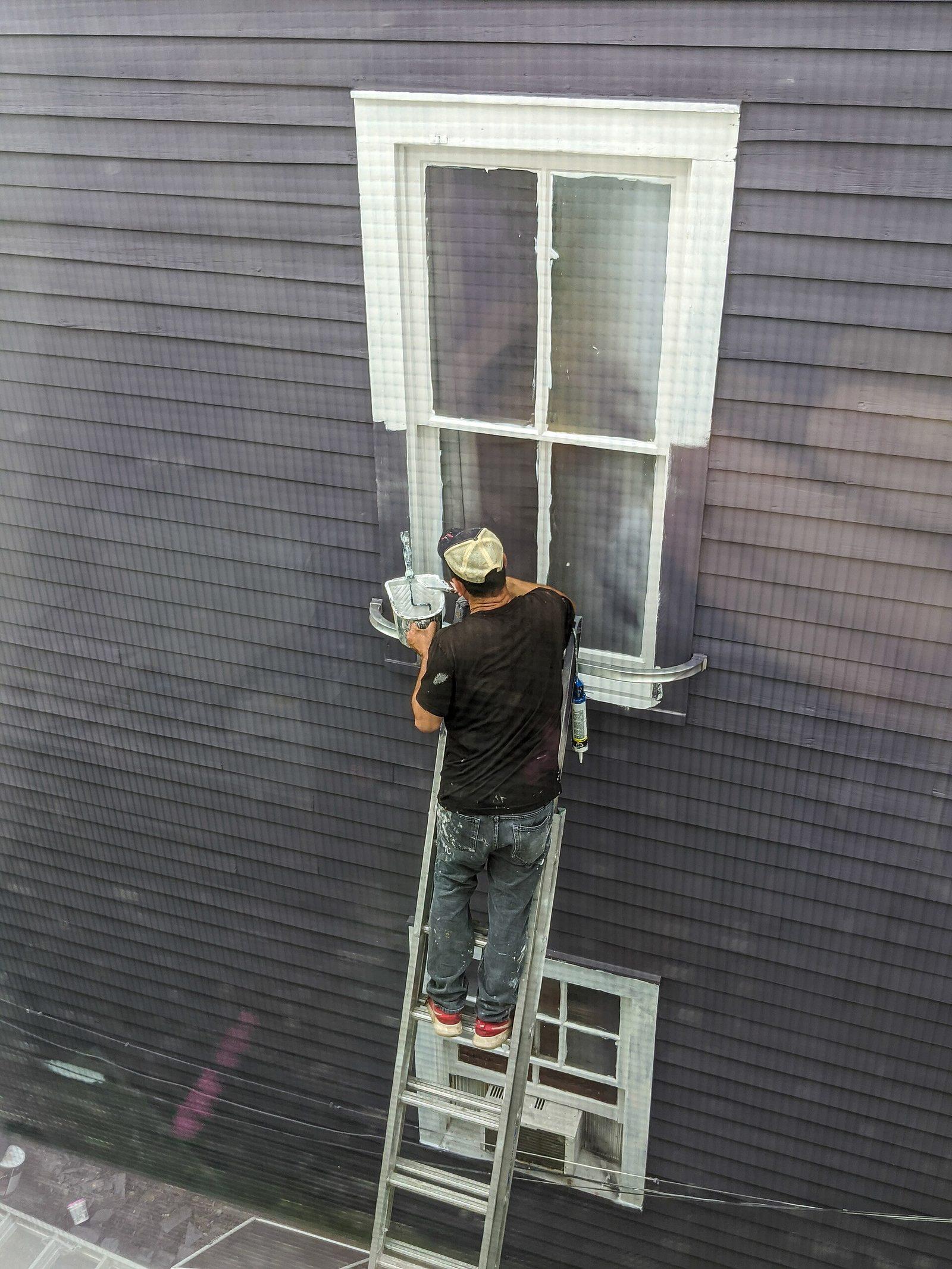
The Peninsula is a museum of enamel. Doors from 1978, eaves from 1961, kitchen cupboards that still chip like bone. Then a well-meaning acrylic goes over the top because water-based is what you buy now, and twelve months later the new paint tents off in rubbery sheets. Owners call it a bad batch. It was a bad sandwich.
This is the enamel chapter of preparation. If the house is old, read lead before you make dust.
Why the sandwich splits
Oil gloss is hard and, once aged, often brittle. Water-based acrylic is flexible and, while drying, slightly shrinking. If the acrylic cannot key into the gloss, the bond is a polite handshake. Heat, moisture and timber movement turn the handshake into a peel. Weatherboard faces in January sun are especially good at this trick.
Test, do not vibe
On a discreet patch: clean, sand dull, apply the nominated adhesion primer, then the topcoat. Wait through a wet week and a hot afternoon. If it tents, you have not beaten the enamel yet — more de-gloss, a different primer, or localised stripping. If it holds, you have a system.
A solvent wipe can hint at acrylic versus oil. It is not a laboratory. Old systems are layered. Treat mystery high-gloss timber as enamel.
The method that usually works
- Clean. Degrease doors and kitchen paint especially.
- De-gloss. Sand until the shine is gone. You are not stripping to timber unless the film has failed.
- Dust off. Primer on powder is not primer.
- Adhesion primer. The product the manufacturer names for “existing enamel” or “difficult surfaces”. This is the step people skip because it is not a pretty colour.
- Topcoats in the specified water-based enamel or acrylic, within recoat windows.
Water-based enamels on trims have become good enough for most Peninsula doors. They still need that primer on old oil. They still need thin coats on detailed joinery.
When you should strip
If a fingernail picks the film off in sheets, stop coating and start removing failed layers. If a sash no longer closes because of fifty years of paint, strip. If you are in a lead layer, strip with a method, not a belt sander over the pram.
Chemical strippers, heat with control, and patient mechanical work all exist. Speed exists too, and it is how lead dust and gouged timber happen.
Weatherboards with enamel under acrylic
You will not always know until you scrape a failure. The flake may be white on the face and a dark gloss on the back. That back is the story. Feather, prime the gloss and the bare timber with the right products — sometimes two primers on one board — then acrylic topcoats. It is slower than a recoat. It is cheaper than doing the street-facing elevation twice.
Interiors: doors will tell on you
A hallway can hide a mediocre wall. A door cannot. If you are going to DIY one thing badly, it will be a door. Either commit to the enamel method or pay a painter for the doors and do the walls yourself. Hybrid honesty is in DIY versus professional.
Enamel is not the enemy. Unprepared enamel is. The bay does not care that water-based is more convenient. It cares whether the film is attached.
Windows: the friction surface
Sashes slide. Paint on a sliding surface is a mechanical part. Too much film and the window stops. Too little prep and the new acrylic peels into a snowdrift on the sill. Take the sashes down if you can; it is slower and better. Cut back the meeting rails. Use a water-based enamel that can take a little abrasion. Do not paint them shut “to look neat for the photos”.
Putty on old windows may be failing. Painting over dried, cracked putty encapsulates a leak. Re-putty or at least spot-repair before the adhesion primer. Glass should be scraped after, not hoped about.
Kitchen cupboards from the enamel era
If you insist on painting 1970s gloss cupboards, degrease until a rinse water sheets, sand dull, adhesion primer, then a cabinet-grade water enamel, preferably on doors laid flat. Vertical rolls on high-gloss doors show sags. If the laminate is peeling, stop. You are in joinery, not paint. The kitchen article draws that line.
Exterior enamel on eaves
Eaves often still wear old oil gloss in dark colours. They are dusty, cobwebbed, and full of insect residue. Wash, de-gloss, prime, two coats. They are also overhead, which means drips in your hair and a temptation to under-apply. Under-applied eaves chalk fast. They are the first thing a buyer looks at from the nature strip.
If the eave lining might be asbestos-containing — some older Peninsula sheets are — do not sand. Get advice. Paint systems exist for sound, uncleared sheets; disturbance is the problem.
A short specification you can paste into a brief
“Existing oil gloss to be cleaned, sanded dull, adhesion-primed with [product], then two coats of [water-based enamel or acrylic as specified]. Failed film to be removed to a firm edge. Lead-safe methods if pre-1970.”
If a painter says they never prime enamel because their acrylic “sticks to anything”, find another painter. Chemistry is not a vibe.
Recoat windows still apply
Adhesion primer is not a licence to pile topcoat on a tacky door. Recoat too early and you finger-print a chewy film; too late on some systems and you need a light sand to key. Read the minutes on the tin for the temperature you actually have on a Frankston morning, not the minutes you remember from a January afternoon. Cold enamel is slower than your diary. Let it be. A door that cures overnight on a cool Frankston evening will outlast a door that was closed too soon because someone wanted the hall back.
People also ask
- Can you paint water-based paint over oil-based enamel?
- Yes if you clean, de-gloss, and use an adhesion primer designed for that jump. No if you roll acrylic straight over shiny, chalky enamel and hope.
- How do I know if my paint is oil-based?
- Age, gloss and a solvent wipe test help. A cotton ball with methylated spirits will often pick up acrylic; oil gloss is more stubborn. When in doubt, treat old high-gloss timber as enamel.
- Do I have to strip enamel completely?
- Not if it is sound. You have to key it and prime it. If it is brittle and peeling, you strip the failed layers, possibly into lead-safe methods on old houses.