Painting kitchens without shutting the house down
How to sequence a kitchen and adjoining living area so a Frankston family can still eat, including degreasing, sheens, cabinets versus walls, and occupied-house etiquette.
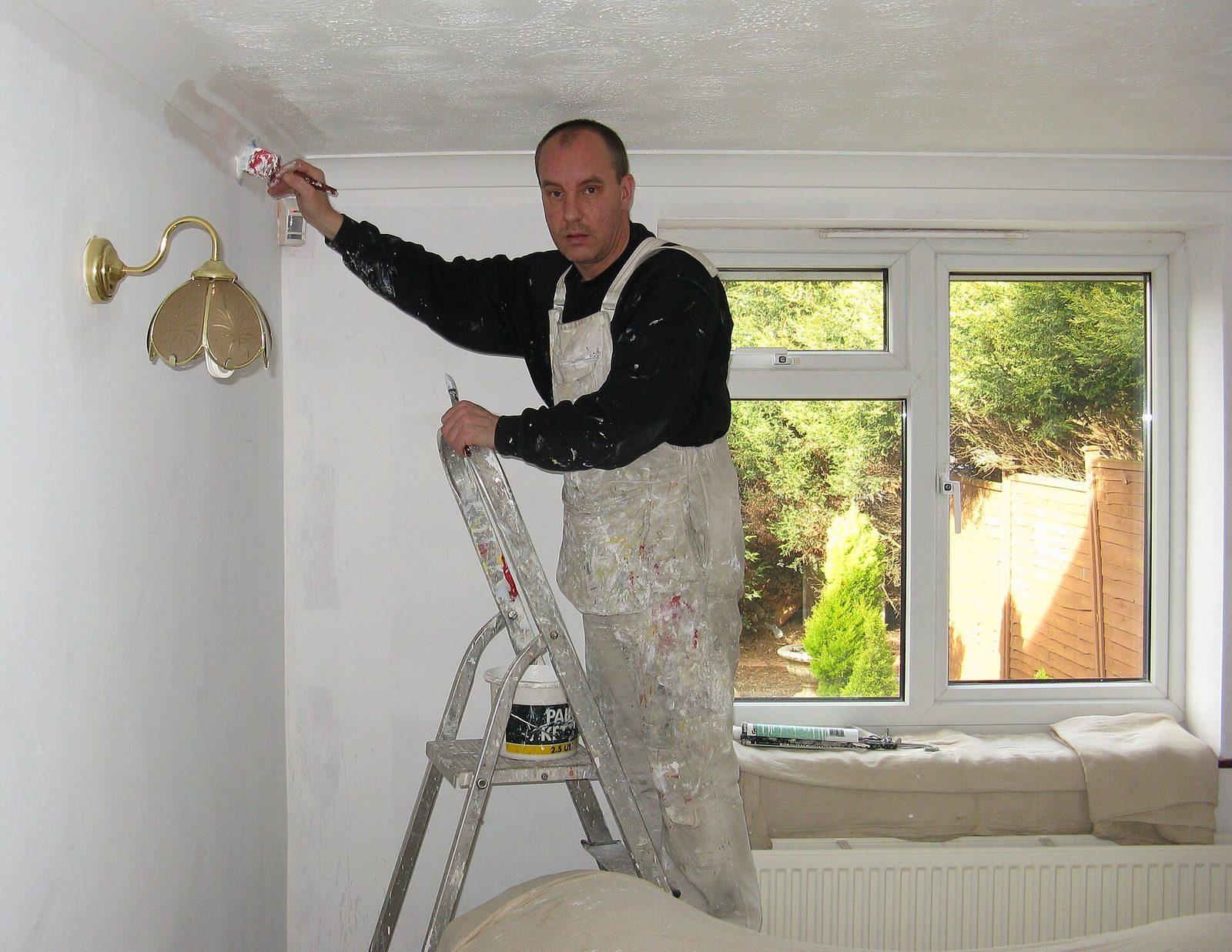
Peninsula kitchens are rarely a closed room. They open to living spaces that still have to function while the walls change colour. A crew that treats that open-plan as an empty factory will make a beautiful film and an uninhabitable week. A crew that treats it as a house will degrease properly, mask like they mean it, and leave you a kettle.
This is occupied-house painting for interiors. Costs: per-room guide.
Degrease is the first coat
Cooking film is invisible until paint crawls. Even “we don’t fry” kitchens have a haze over the range wall and the ceiling nearest the hood. Wash with a degreaser that is meant for paint prep, rinse, let it dry. Then decide on primer. Skipping this step is the number-one reason kitchen paint fails in otherwise tidy interiors.
Rangehoods that do not duct outside — common in older Frankston units — make the ceiling a grease trap. Painting that ceiling without washing is decorative fiction.
Walls versus cabinets
Walls are a washable wet-area acrylic after degrease. Cabinets are a coating project: clean, sand, prime for the specific substrate, then a water-based enamel or a nominated cabinet system, often sprayed off-site for doors. Mixing the two into “paint the kitchen” is how quotes diverge by thousands of dollars.
Laminate doors can be painted if the laminate is stuck. Vinyl wrap that is already lifting will lift more. Timber doors with failing factory lacquer need a system, not a hopeful roll. If the boxes are swollen at the sink, stop decorating and call a kitchen company.
Sequence for a family that still needs dinner
A workable occupied sequence:
- Clear the benches you can spare; set up a camp kitchen at the far end of the dining table.
- Degrease and wash on day one, windows open, hood on.
- Fill and sand when the house can handle dust — often after school pickup is a bad time; mornings are better.
- Spot-prime stains and any bare plaster.
- Cut and roll ceilings first if they are in scope, then walls.
- Doors and cabinets last, or off-site.
Agree which sink remains live. Agree where the dog goes. Agree that wet paint and a toddler are not a personality clash you can win.
Spray, roller and the smell question
Spraying walls in an open-plan means masking a universe. It can be worth it on heavy orange-peel plaster. It is rarely worth it for a simple low-sheen roll if the family is present. Water-based acrylics have low odour compared with old oil; they still have some. Sleeping in a freshly sprayed open-plan is a choice, not a default.
Cabinet spraying belongs in a booth or a sealed garage with extraction. Spraying doors in the kitchen “quickly” is how you grain-stamp dust into a finish.
Colour in kitchens
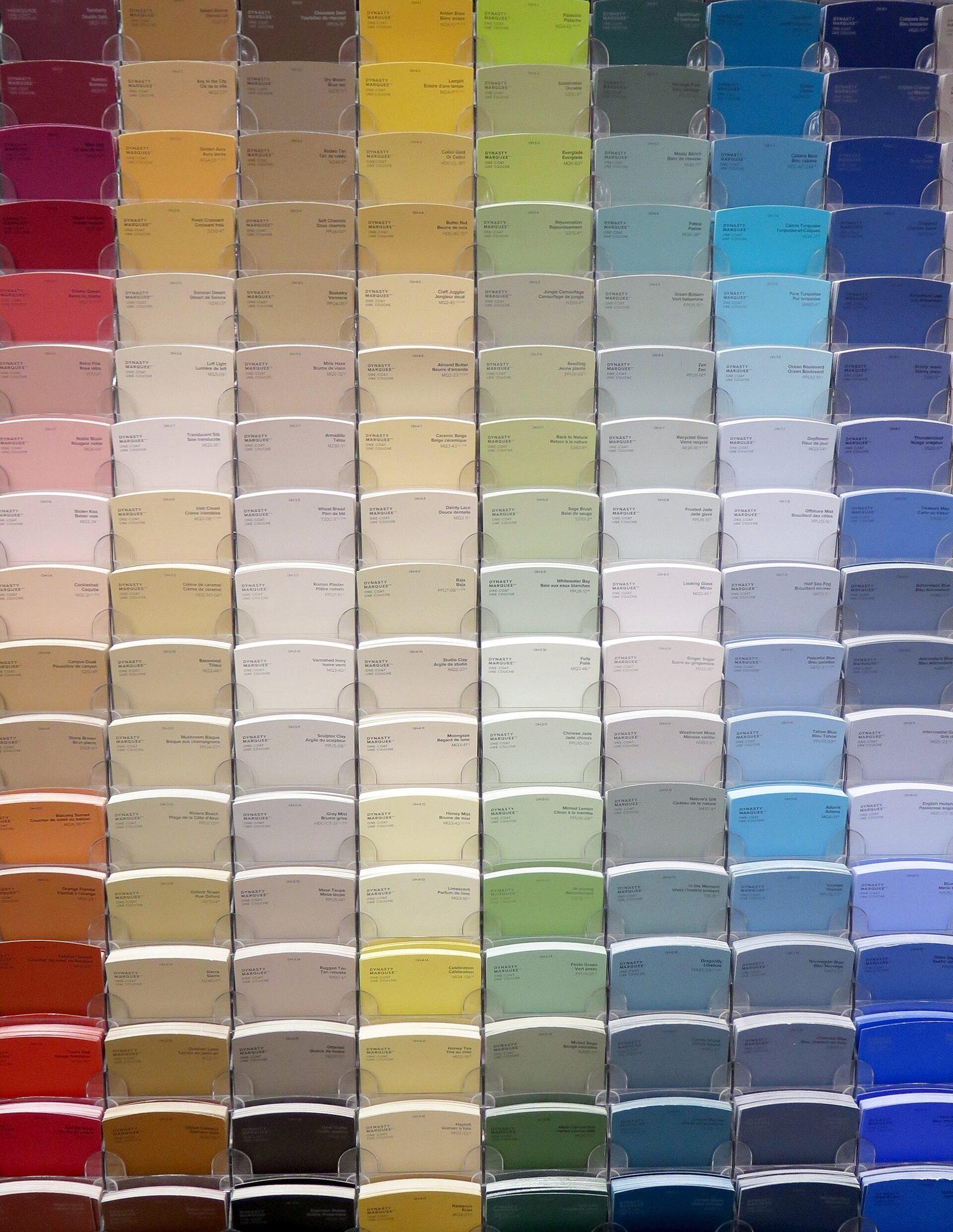
Cool greys go institutional under cool LEDs. Warm whites go cream next to a south window. Test on the wall that sees both the garden and the downlights. Sheen a little higher than the adjoining living room if that wall cops splatter; keep it the same if you cannot stand a change of plane. See sheen levels.
Dark kitchen walls hide a multitude of sins until fingerprints appear. Then they hide nothing. Mid coastal colours, tiled splashbacks, and a washable film are the Peninsula’s boring, correct answer.
What the quote must separate
Walls and ceiling as one figure. Cabinets as another. Appliances staying or going. Whether the painter moves the fridge (they should not, unless they are insured to). Whether the splashback is painted (usually no). Occupied-house loading.
If a kitchen wall quote looks like a bedroom quote, someone has not priced degrease. Degrease is the job. Colour is the souvenir.
The fridge, the oven and the things that do not move
A painter should not be your appliance mover unless they are set up for it. Pulling a fridge on polished timber is how you get a scratch that outlives the paint. Plan a 50 millimetre gap you can cut into, or accept a slightly unpainted strip until you do a proper pull-out on another weekend. Photograph behind before you close the gap. Mice and grease both live there.
Open-plan dust
Sanding fillers in a kitchen that opens to a white sofa is a political act. Use dust control, do the sanding early, and vacuum with something better than good intentions. Occupied open-plan jobs that skip this step create a film of grit in the new paint. That grit is forever.
Splashbacks, tiles and the painted lie
Painting tiles above a cooker is a short story. If you cannot replace the splashback this year, live with the tiles or use a system actually meant for tiles, knowing it is a holding pattern. Ordinary wall acrylic on kitchen tiles will look good for a listing photo and fail at the first clean.
Lighting while you decide colour
Kitchen LEDs are cold more often than living-room lamps. Test the wall colour with the under-bench lights on. A coastal grey that was soft at 4pm can go institutional at 8pm under a 4000K strip. See testing colours.
How long the room is actually offline
Walls: often one to two days plus dry. Cabinets: longer, especially if doors leave the house. A family can live with walls in progress. A family cannot live without a sink. Sequence the wet work so one basin remains. That sentence belongs in the quote as much as the product name.
Kitchens are where paint meets life. Specify the life, and the paint has a chance. Specify only the colour, and you will eat toast among drop sheets for longer than anyone promised. Leave one clear bench for the kettle. That single square metre of mercy is worth more than a feature wall.
People also ask
- Can I stay in the house while the kitchen is painted?
- Yes if the painter sequences walls after a serious degrease, keeps a temporary prep space, and you accept toast-for-dinner for a day or two. Spraying cabinets in situ is a different, smellier job.
- Should I paint kitchen cabinets or replace them?
- Paint sound timber or well-adhered laminate with a proper coating system if the layout works. Do not paint peeling vinyl wrap and expect a furniture finish. Replacement is honest when the boxes are failing.
- What paint is best for kitchen walls?
- A washable kitchen-and-bathroom acrylic in low sheen or satin, after degreasing. Ordinary bedroom paint over cooking film is a peel waiting for the first summer.