Interior painting cost per room in Melbourne’s south-east
What a bedroom, a living room and a whole three-bed interior actually cost to paint in Frankston in 2026 — and why “per room” quotes hide ceilings, trim and prep.
“How much to paint a room?” is the search that fills inboxes. It is also the search that produces useless answers, because a room is not a unit of work. A 3.2 by 3.4 metre Frankston bedroom with a flat ceiling, one window and skirting already painted the same colour is one job. A Mount Eliza sitting room with a raked ceiling, dented cornice, three colours and a wall of west glass is another. This guide prices the south-east in 2026 Australian dollars so you can read a quote, not so you can skip one.
For whole-house exterior numbers, use the Frankston 2026 cost guide. For sheen and washability, use paint sheen levels.
Per-room ranges that match local quotes
These figures assume a professional crew, premium interior acrylic (the usual Dulux Wash & Wear / Taubmans Endure / Haymes Interior class of product), standard prep, and GST. They are not a bid.
| Space | Walls only | Walls, ceiling, trim |
|---|---|---|
| Small bedroom or study | $350–$650 | $600–$1,100 |
| Typical bedroom | $450–$800 | $700–$1,200 |
| Living or open-plan | $900–$1,800 | $1,400–$2,600 |
| Kitchen (walls, not cabinets) | $700–$1,400 | see kitchen article |
| Bathroom | $500–$1,200 | wet-area systems extra |
| Hall and stairwell | $700–$1,600 | height drives the top end |
A full interior on a single-storey three-bedroom weatherboard in Seaford or Frankston, average condition, one wall colour, white ceilings, existing white trim recut: $6,000–$11,000 is the conversation. Four bedrooms, two living zones, a two-storey void: $9,000–$18,000. Feature walls, wallpaper stripping, smoke-stained ceilings and dark-to-light changes add coats and therefore money.
What “per room” hides
Ceilings are a day’s attitude. They show every roller ridge. Nicotine and wood-fire haze, still common in older Peninsula houses, need stain-blocking primer. Skip it and the tannin or smoke telegraphs through your new white in a week of cold nights.
Trim is slower than walls. Skirting, architraves, doors and windows are linear metres of cutting-in. If the existing enamel is gloss, you are in sanding and priming. If you want the doors a different colour to the walls, you have doubled the cutting-in. None of that appears in a Facebook “$250 a room” offer.
Prep is the rest. Filling plaster dents from a decade of kids’ bikes, sealing water stains under windows, washing kitchen film — that is labour. A quote that does not mention prep is not cheaper. It is incomplete. Our quoting article is the checklist.
Colour changes and extra coats
Going from deep red to a coastal grey is not two coats. It is a grey-tinted primer or an extra hide coat, sometimes both. Ceilings that were once “ceiling white” and are now nicotine are a primer job. Feature walls in dark colours on new plaster need the plaster sealed or they flash.
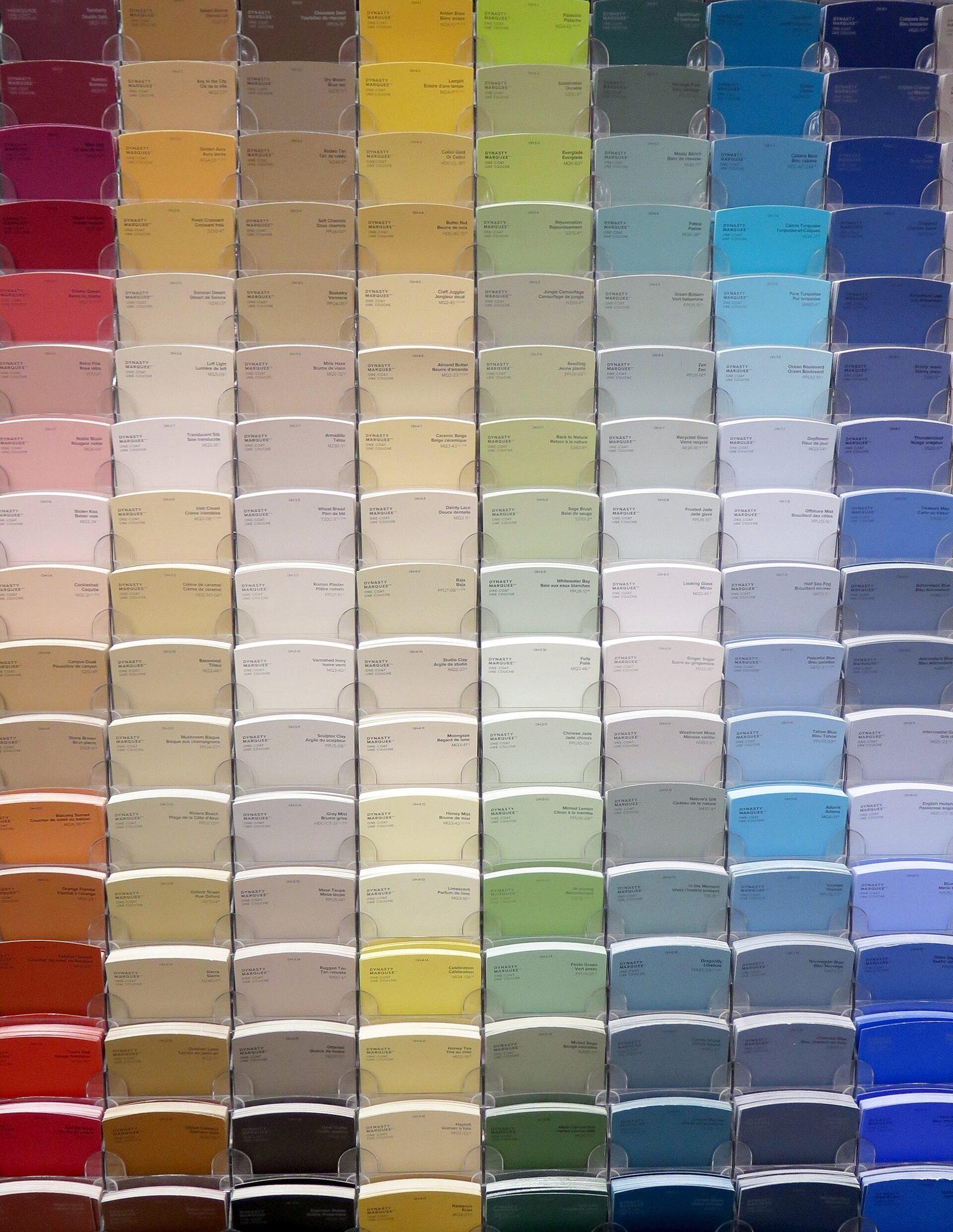
If you are testing colours, do it before the crew books, not on the morning they arrive. Testing paint colours in south-facing rooms will save you a third tint round.
Occupied houses versus empty ones
An empty rental in Langwarrin is a production line. An occupied family home in Mount Eliza is a logistics exercise: rooms in sequence, furniture shifted, pets elsewhere, school lunches still happening. Occupied work is slower and should cost more. If it does not, corners are being cut in masking or in drying times. Painting kitchens without shutting the house is the occupied-house playbook.
DIY maths, honestly
A careful owner can paint a bedroom. The savings are real if your time is cheap and your filling is decent. The savings vanish if you buy cheap paint, skip ceiling work, and then pay a professional to fix cutting-in. Our DIY versus professional piece draws the line at stairwells, enamel doors, and anything above a safe ladder.
Where DIY still wins: a single feature wall, a box room, a rental refresh with the same colour. Where it rarely wins: whole interiors on a deadline before settlement.
How to brief a painter without wasting Thursday
Write a room list. For each room: walls yes/no, ceiling yes/no, trim yes/no, current colour, desired colour, known stains. Photograph cracks. Mention the wood heater. Mention the bathroom fan that does not work. Mention if the house is occupied.
Ask for product names, number of coats, whether paint is included, and whether moving furniture is included. Ask how they handle uncovered smoke stains once the first coat is on. A professional will have a primer in the van. An amateur will “see how it looks”.
Interior painting is still one of the highest-impact things you can do to a Peninsula house that is not a kitchen. Price it as a system of rooms, not as a viral per-room number, and the quote will start to make sense.
New plaster versus a lived-in bungalow
New plasterboard in a Mount Eliza extension drinks sealer. Skip the sealer and the first colour coat flashes forever. Old bungalow plaster may need lining paper or a plasterer before a painter is honest. A per-room rate that assumes factory-smooth board will not cover a 1928 hall. Tell the painter the year and send a raking-light photo.
Doors counted separately
Six-panel doors are slow. A house with ten interior doors is a different job to a house with cavity sliders. Water-based enamel, adhesion primer on old gloss, and maybe taking doors off. If doors are “included” in a cheap per-room number, they are probably getting a single thin coat that will mark in a week.
Timing versus hourly stories
Most residential painters quote the job, not the hour, which is better for you if the scope is clear. Hourly makes sense for small repairs. It does not make sense for a whole interior unless you like open-ended invoices. See quotes.
What 2026 inflation actually did
Paint, insurance and fuel all moved. A 2019 invoice for $4,500 on a three-bed Seaford interior is a historical document. Using it as a ceiling in 2026 is how you only attract the quotes that skip ceilings. If money is tight, reduce scope — skip the garage, keep the same wall colour, do not invent a feature wall — rather than hunting a 2019 price.
Price the house you have, in the year you are in. The per-room table is a map. The site visit is the territory.
People also ask
- How much does it cost to paint a room in Melbourne?
- In 2026 a standard bedroom with walls, ceiling and trim typically sits between $600 and $1,100 in the south-east. Walls-only is less; high stairwells, heavy prep and colour changes to ceilings cost more.
- How much to paint the interior of a 3-bedroom house?
- A straightforward single-storey three-bedroom interior around Frankston often lands between $6,000 and $11,000 including GST, paint and standard prep. Open-plan living, two storeys and dark-to-light colour changes push the figure toward $12,000 to $18,000.
- Do painters supply the paint for interiors?
- Most trade quotes include a nominated premium interior line. If you supply the paint, say so up front and expect the labour to assume decent coverage. Ultra-cheap tins are how you buy a third coat.