How to test paint colours in south-facing rooms
South rooms on the Peninsula go grey in July. A method for sampling colour and sheen on the actual wall, at the actual time of day, before you tint 20 litres.
Frankston’s south rooms are where colour schemes go to be humbled. The window faces the garden, the light is cool, and in July the whole wall can read two shades darker and a little blue. Owners then blame the painter, the brand, or “cheap paint”. The sample was the size of a business card, viewed at the trade counter, in the wrong sheen.
This is a method. Use it before the interior cost becomes a repaint cost.
Shortlist on paper, decide on plaster
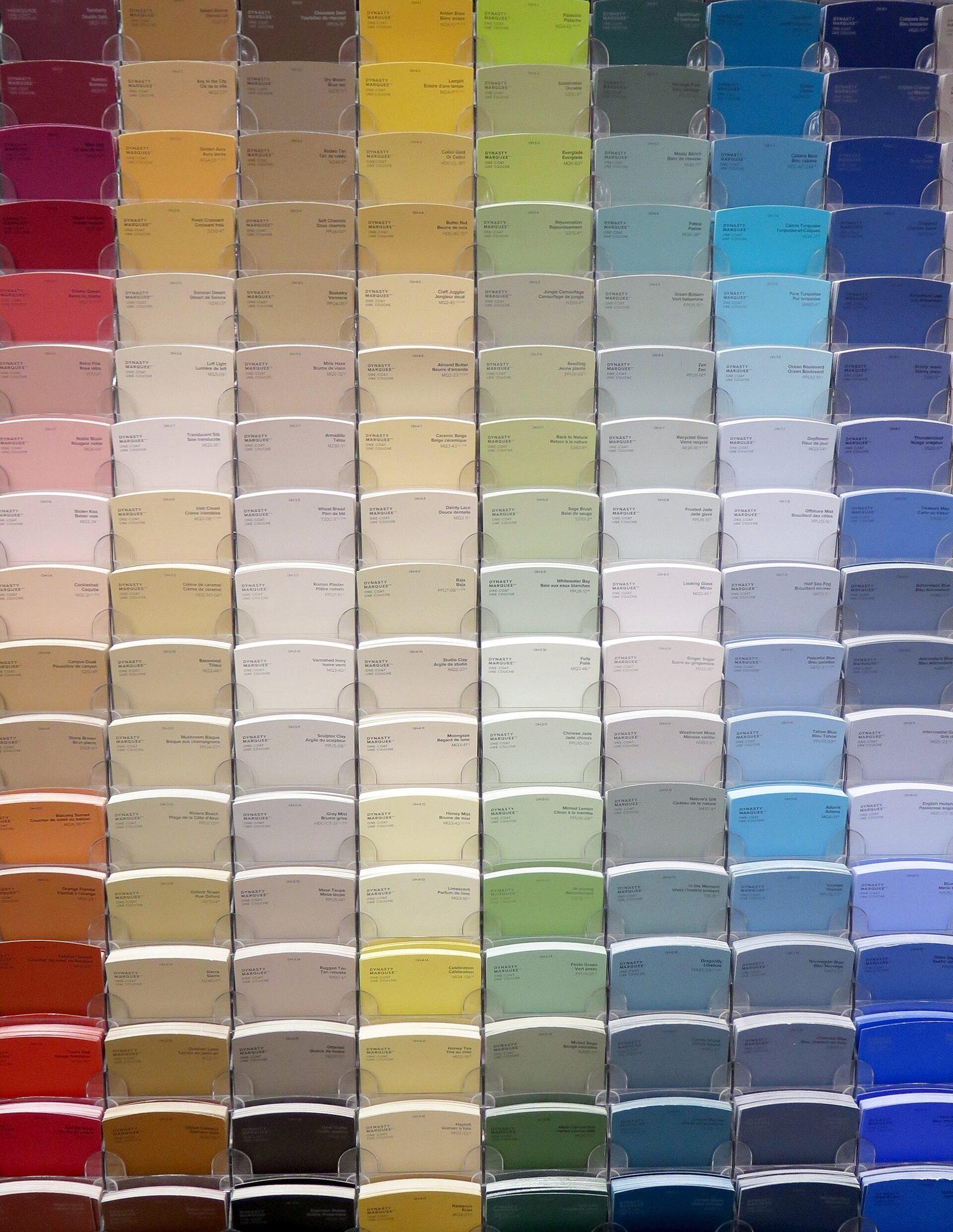
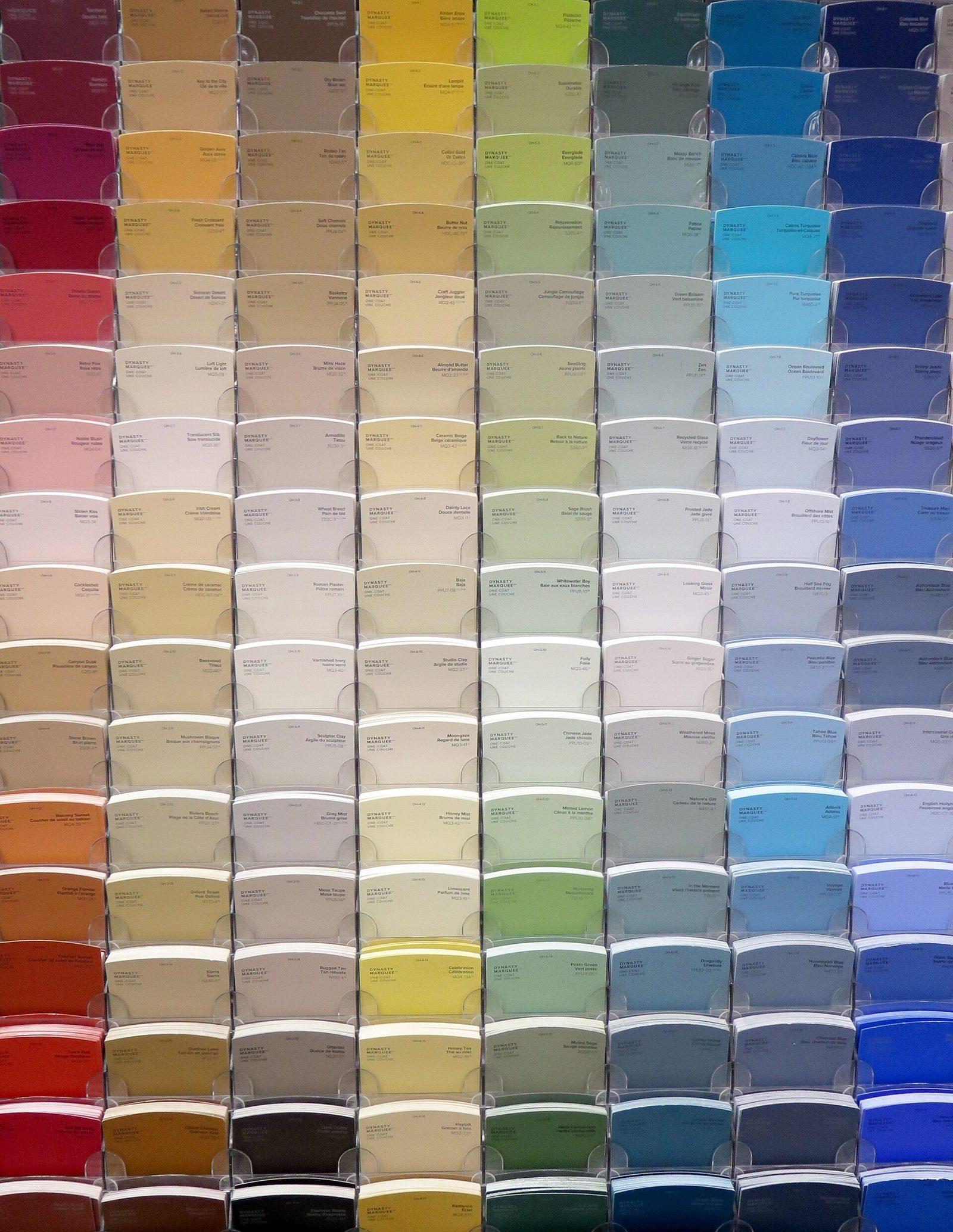
Fan decks and stick-on samplers are for getting from two hundred greys to three. They lie about sheen, about adjacent colours, and about the existing wall showing through. Buy sample pots of the finalists in the actual sheen you will use — usually low sheen on walls. If you test in a satin and then paint in a low sheen, you have tested a different colour.
Paint at least an A4 block, two coats, on the wall that scared you. Paint a second A4 on a different wall of the same room if one is beside a window and one is in shadow. Do not test only on a piece of cardboard unless you also hold it against the wall at 2pm.
Paint samples over a sealed patch
If you are going light over dark, the old colour will warm the sample. Either prime a patch first or accept that the sample is “over the old red” and the finished wall, with a grey primer, will be cooler. Knowing which test you are running is the whole game.
A quick white-primed square and a square over the existing colour, same tint, will teach you whether you need a primer coat in the quote.
Watch the Peninsula day, not your Saturday
Look at the sample:
- First thing, curtains open.
- Mid-afternoon, when west bounce (if any) arrives.
- After dark, with the lamps you actually use — warm LEDs will yellow a grey; cool LEDs will freeze it.
- On a flat grey day. If you only test in sun, you have not met July.
If you hate it on the grey day, believe the grey day. That is most of winter.
Undertones: the south-room special
Greys with blue undertones go icy. Greys with violet go dusty and a bit suburban-hotel. Greys with green can either pick up the garden (good) or look khaki (bad). Warm greiges and stones are the usual survivors in south Frankston rooms.
Hold the sample next to a sheet of true white and next to the timber floor. Floors in older Peninsula houses are often orange-varnished pine; a cool grey wall will fight them. You can still do it, but you are choosing a tension.
Sheen changes the read
A higher sheen looks lighter and more saturated. A flatter sheen looks darker and softer. Test in the sheen you will live with. The sheen guide explains why bathrooms and halls might differ from the south sitting room.
Exterior samples on the south wall too
Exterior south walls on the Peninsula stay damp longer and grow more mould. Colour also stays cooler. A clifftop dark that looks dramatic on the north weather side can go lifeless on the south. Sample both. Salt will dull everything; do not pick a colour that only works when brand new and wet.
When to pay for a colour consult
If the house has an overlay, a strong existing brick, or you are paralysed among four greys, a couple of hours with someone who has failed on this coastline is cheaper than 60 litres of regret. If you are a decisive person with an A4 sample you still like on a Tuesday morning, you do not need a consultant. You need the painter to buy that code, in that sheen, and to write it on the quote.
Testing is slow on purpose. The house is not a mood board. It is where you will drink tea in August.
Floors, benches and the colours you cannot repaint this week
A south room with orange pine floors and a cool grey wall will always have an argument. You can win it with rugs and warm lamps, or you can shift the wall toward stone. You cannot win it by staring at a 50 millimetre chip. Hold the sample against the floor and against the benchtop. Kitchens that open to south living rooms need this more than bedrooms.
Existing tiles — cream 1980s bathrooms especially — will bully a wall colour. Either work with them or accept a tension until the renovation you keep postponing.
Metamerism, or why the grey changes at night
Some colours shift under different light sources. A grey that is polite in daylight can go lilac under LEDs. If your south room is used mostly after dark — a TV room — believe the lamp test more than the 2pm test. Buy one LED of the type you actually have, not a phone torch.
How big the sample needs to be
A4 is a minimum. A2 is better on a large open-plan wall. Two coats. Cut in a small square of the adjacent room’s colour if they meet. Junctions are where schemes die. The three-colour exterior logic of testing junctions applies inside too.
When the existing colour contaminates the test
Strong yellows, strong reds and nicotine all glow through. If your sample looks warmer than the chip, prime a patch white and test again. Then you know whether the quote needs a grey primer or an extra coat. That knowledge is cheaper than arguing after the first elevation is done.
Live with the sample until you stop noticing it. If you still like it when it has become furniture, tint the rest. If you only like it when you are in the mood for a project, it is not a wall colour. It is a mood. Moods do not belong on south plaster in July.
People also ask
- Why does my grey paint look blue?
- Cool light and a blue undertone stacking. South-facing Peninsula rooms receive little direct sun; a grey that seemed neutral in the shop will show its blue. Sample on the wall and, if needed, shift warmer.
- Are stick-on sample cards enough?
- They are a shortlist tool. They are not a decision. Brush A4 sample pots on the wall in the right sheen, over a white and over the existing colour if they differ.
- How long should I live with a paint sample?
- At least two full days, including a grey one. Overnight, morning, 2pm, lamps on. If you only see it at Saturday noon, you have not tested it.