DIY vs professional painting — when it actually saves money
An honest split between the bedroom you can paint on a long weekend and the two-storey eave you should not, with Peninsula-specific notes on access, enamel and lead.
DIY painting is a reasonable Australian hobby until gravity, enamel or lead enters the chat. Frankston weekends are full of well-meant rollers and north walls that still chalk. This is a decision guide, not a sneer. The cost hub exists so you can spend money where it buys years.
Where DIY still wins
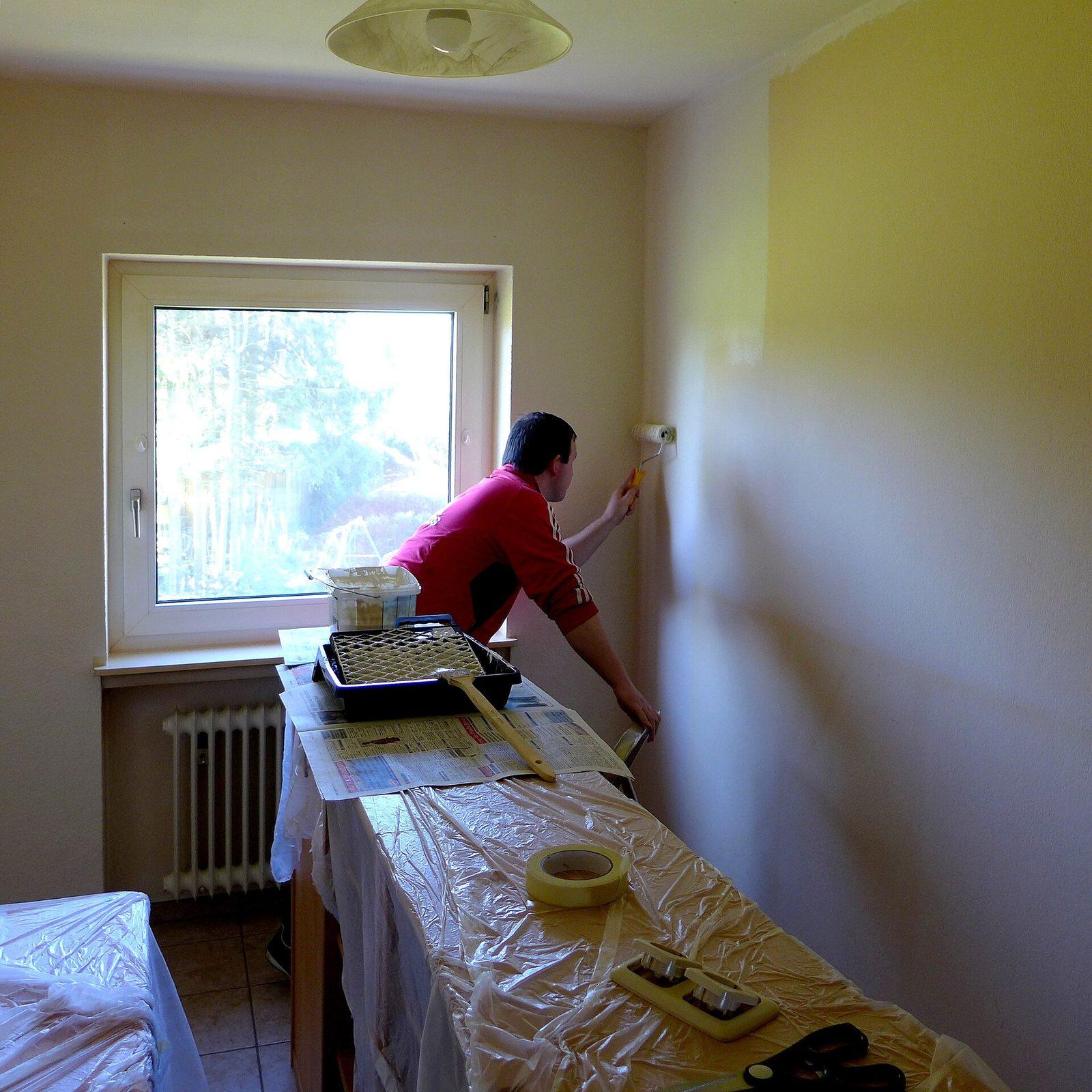
- A bedroom, same colour family, walls only, decent plaster.
- A rental refresh where “pretty good” is the brief.
- A fence, if you like fences.
- Sample testing, always. That should be you.
Buy decent low-sheen, a proper roller sleeve, and masking that you will actually remove at the right time. Read sheen and tools.
Where DIY quietly loses
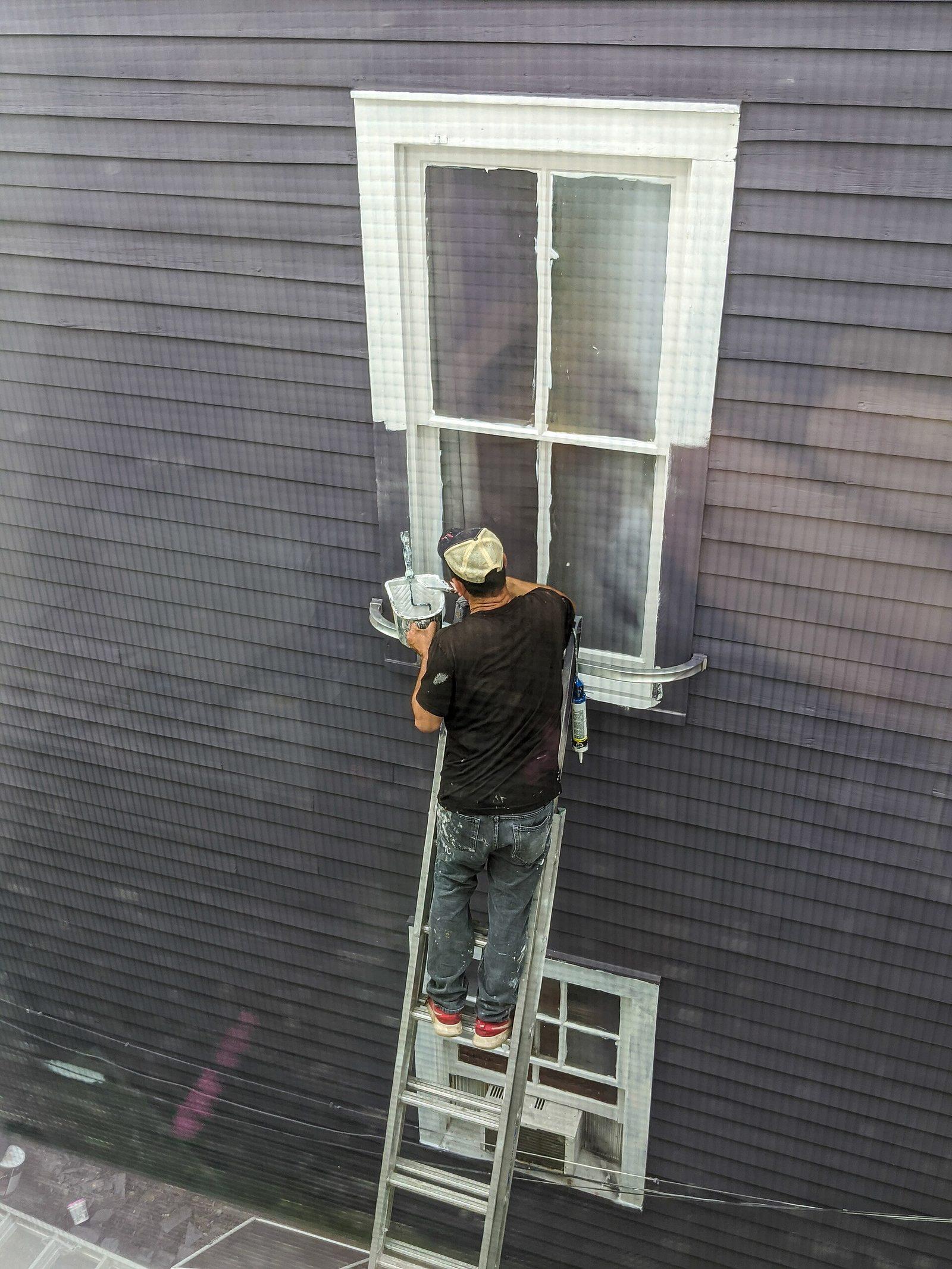
Two-storey exteriors. Access is a trade. A fall is not a learning experience.
Weatherboard bottom edges and end grain. Amateurs paint faces. The bay eats edges.
Old enamel doors and windows. Adhesion systems, sanding, and patience. Peel is expensive.
Nicotine ceilings. Without stain-block, your new white becomes tea.
Dark to light on open-plan. Extra coats, extra skill at keeping a wet edge.
Anything pre-1970 that might be lead. See lead paint. Dry sanding a window sill into the sandpit is not a saving.
The real DIY budget
Add: paint, primer, tape, drop sheets, roller frames, extra sleeves, brushes you should have bought, the sander, the filler, the extra day off, the skip for the old blinds you destroyed, and the professional who comes later to cut-in the living room. Subtract: satisfaction, if you like that sort of thing.
A $70 tin on a wall that needed a $40 primer is how DIY gets a bad name. The primer was the cheap part.
Hybrid jobs that work
You strip wallpaper. You move furniture. You paint the garage inside. They do exteriors and the stair void. Write the split down. Do not “help” on their exterior with a different batch of tint.
If you prep for them, ask what prep means. Their idea of fill is not a smear of toothpaste.
Hiring without being snobby about DIY
Tell the painter what you already tried. A peeled patch you created is useful information. A pretence that the wall arrived like that is how they under-price adhesion work.
Professionals are not magicians. They are people who have failed on this coastline already, on someone else’s clock. That is what you are buying: the failures they will not repeat on your eaves.
If the job is a box room and you have a long weekend, paint. If the job is Olivers Hill in a southerly, write a brief and read the quotes. Saving money is good. Saving money on the wrong plane of the house is how weatherboards go grey.
Time, not just money
A professional crew of two can finish a simple bedroom in a morning, including a tidy. A careful amateur, after work, might spend four evenings and a Saturday, plus a Sunday of touching up the cutting-in they can now see in the raking light. If your hourly rate at work is real, the “saving” on a whole interior evaporates before the second bedroom. If you are retired, enjoy the work, and the house is single-storey, the maths flips. Be honest about which person you are.
School-holiday DIY exteriors are a Peninsula tradition. So are January films that skinned too fast. If your only free time is a 38-degree week, you do not have a free exterior window. You have a reason to wait until April or hire someone who can start on a Wednesday.
Tools you will buy once and use badly
The first DIY interior already costs a roller frame, pole, trays, tape, filler, sandpaper, a decent brush, drop sheets, and a ladder that is safe at 2.7 metres. That kit is not wasted if you will paint again. It is wasted if you bought the five-dollar brush pack and a loop-pile sleeve that sheds into a pale grey. Read the tools piece before the hardware run.
Spray hire looks like a shortcut for a fence. On a weatherboard house it looks like a way to thin-coat the laps and paint the neighbour’s car. Back-rolling is still work. If you wanted to avoid work, you wanted a painter.
Neighbours, strata and the social cost
Units in Frankston come with by-laws, common property eaves, and people who park where your ladder wants to be. DIY on common property is how you meet a committee. Even on freehold streets, spray drift and radio volume are how you meet a committee of a different kind. Professionals are used to that conversation. You may not be.
A decision tree you can actually use
- Walls only, same colour, one room, you like painting: DIY.
- Whole interior, occupied family, nicotine ceilings: professional, or hybrid with them on ceilings and doors.
- Single-storey exterior trim on brick veneer, you are handy: maybe DIY if you can do enamel properly.
- Weatherboard exterior, two-storey, clifftop, lead, or a deadline before settlement: professional.
Write the choice down. The house will still be there. The peel will not wait for you to “get around to the eaves”.
Pride, photos and the listing
DIY that is “fine from the street” can still cost you at inspection when a buyer’s painter friend looks at the eaves. If you are selling, pay for the elevations people photograph. If you are staying, DIY the rumpus and hire the weather side. Match the effort to the plane that faces the bay, not to the plane that faces the spare-room wardrobe. Pride is allowed; gravity is not optional, and neither is a sound film on the weather side. If you remember only one split, remember this: DIY the planes you can reach safely in still air, and hire the planes the bay can reach every day.
People also ask
- Is it cheaper to paint a house yourself?
- Materials for a room are cheap; time, tools, waste and redo are not. DIY wins on simple same-colour bedrooms. It rarely wins on two-storey exteriors, enamel doors, or lead.
- What do professional painters do that DIY misses?
- Wash and diagnose, choose primers, keep a wet edge, paint the edges that fail first, and work at height lawfully. The finish is the visible part of that list.
- Can I prep and have a painter finish?
- Sometimes. Only if your prep matches their system. Amateur filling and unwashed walls are how professionals spend day one undoing your weekend.