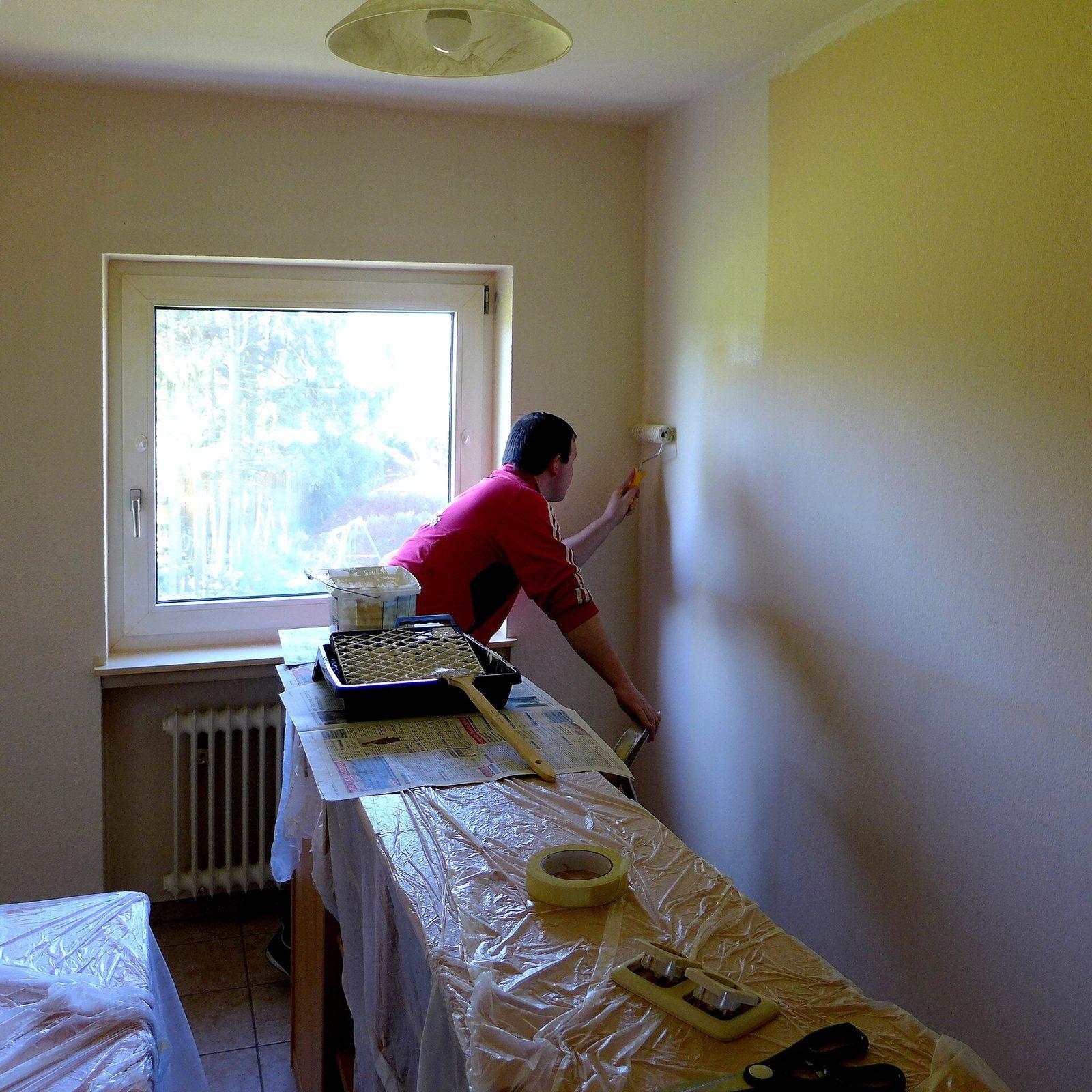
Choosing brushes, rollers and spray for Australian houses
Tools change the film. Which brushes, roller naps and spray setups actually suit weatherboards, interiors and coastal work in Frankston — and when back-rolling is not optional.
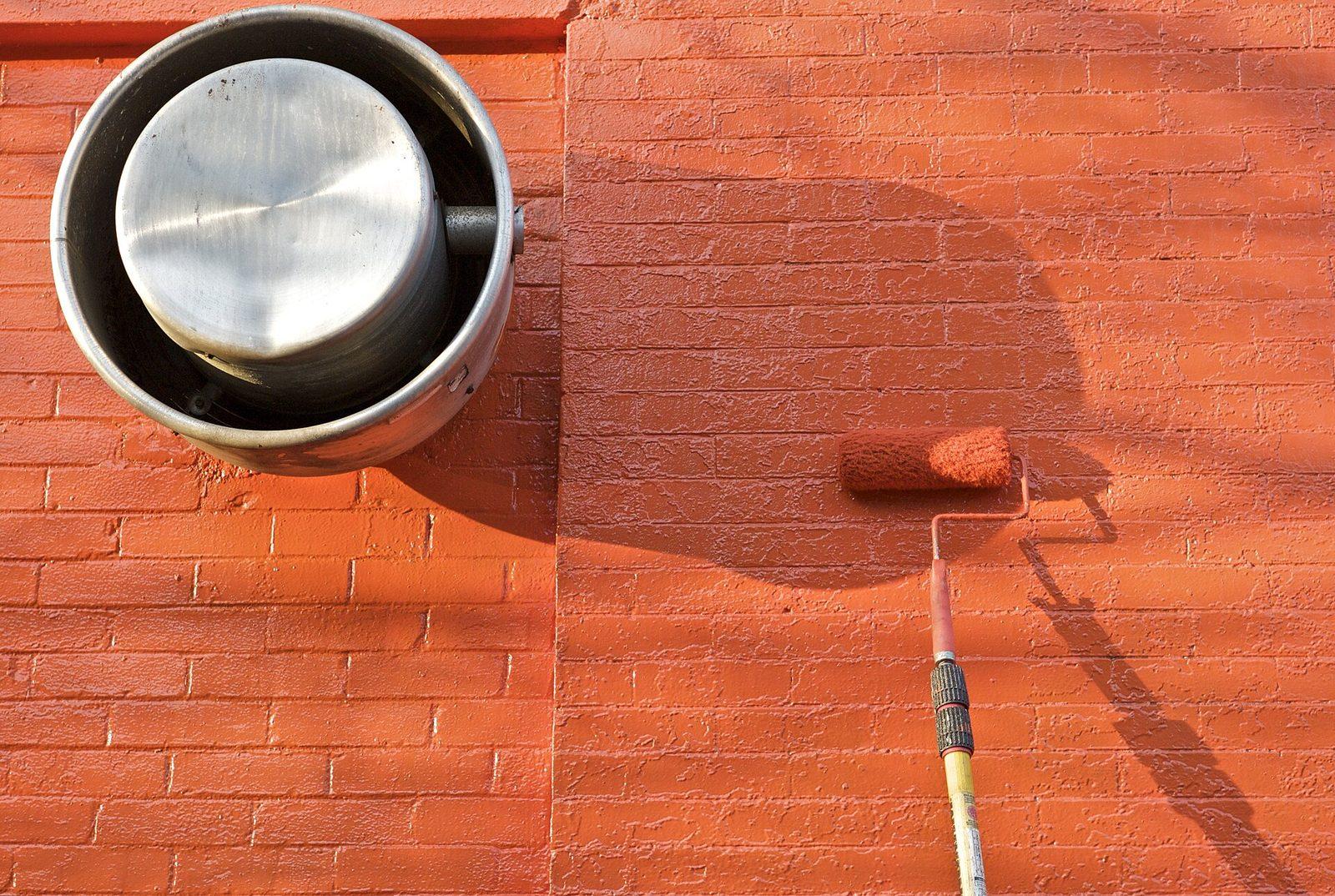
A premium acrylic applied with a starved roller is still a thin film. Tools are part of the specification, which is why they live in preparation as well as in trade folklore. This is a practical kit list for Peninsula houses, not a shopping cult.
Brushes: synthetics for acrylics
Water-based paints want synthetic filaments. Natural bristle drinks water and splays. Buy a decent 50–63 mm cutting-in brush and a smaller sash brush for windows. Cheap brushes dump bristles in the door and leave you picking hairs out of gloss for an evening.
Cutting-in is a skill. A good brush does not replace it. On weatherboards, a brush is how the bottom edge gets paint at all.
Rollers: nap length is a decision
- Interiors, standard plasterboard: 9–11 mm microfibre or equivalent quality sleeve. Two thin coats.
- Ceilings: a sleeve you are willing to throw if it sheds, and a pole you can control. Cheap ceiling rollers stipple forever.
- Exterior render: slightly longer nap to get into the sand.
- Weatherboard faces: roller plus brush for edges. A huge nap that dumps paint into the lap without painting the edge is not clever.
Do not cheap out on sleeves. Shed in the film is forever. One good frame, several sleeves: walls, ceiling, and a separate one if you have been near oil-based anything.
Spray: a tool, not a personality
Airless spray shines on large rendered walls, eaves, fences, and some interiors in empty houses. It scares neighbours, drifts in a northerly, and can miss the very edges that fail first unless you back-roll or back-brush. On weatherboards, spray-only jobs often look even at handover and thin at the laps in year four.
Occupied interiors plus spray means masking the twenty-first century. Sometimes still worth it. Often not. See kitchens.
HVLP is a different, slower spray for doors and cabinets. Do not confuse it with a house airless.
Back-rolling is not optional on many exteriors
Back-rolling works the coating in, evens the spray pattern, and gets a mechanical key. If a crew sprays and walks away from a coastal weatherboard, ask why. If the answer is “speed”, you have the diagnosis of the next peel.
Trays, pots and cleanliness
A dirty tray contaminates a pale coastal grey faster than you can say “how did this go green?”. Strain old paint. Keep a wet edge. Do not paint out of a 20-litre bucket on a ladder unless you enjoy gravity experiments.
Safety, height and the unglamorous kit
Glasses when sanding, especially overhead. Proper access rather than a dining chair. P2 masks for sanding; more than that for lead. Drop sheets that actually catch, because acrylic on sandstone is a relationship.
DIY owners should read this before buying a five-pack of throwaway brushes and a loop-pile roller from a bargain bin. Professionals should still name spray versus roll on the quote.
The tin gets the branding. The sleeve determines whether the tin ever becomes a film. On a salt coast, that is not poetry. It is millimetres.
Cutting-in without the mythology
A loaded brush, a wiped heel, and a line that moves. Resting the brush on the architrave and hoping is how you get a fat ridge that flashes in the afternoon. Work in sections you can still reach. On exteriors, cut the weatherboard lap as if it were trim — because it is. Interior corners in old bungalows are never 90 degrees; a slightly broken line that follows the plaster is better than a theoretically straight one that misses the wall.
Magnetic brush magnets on the side of a pot are worth more than they look. So is not balancing the pot on a ladder rung.
Roller technique that actually hides laps
Work a W or M, then lay off in one direction, keeping a wet edge. In a south Frankston room in winter, the edge dies faster than you think because the wall is cold. Smaller sections. Do not go back into a tacky area and “just fix that bit”. That is how you make a map.
Ceilings: lay off toward the light if you can, so laps are less obvious. Two thin coats. The first coat looks appalling on a nicotine ceiling. That is why stain-block exists.
Cleaning and the life of a brush
Water-based tools wash in water until they do not — if you left them in a bucket overnight, you now have a sculpture. A spinner helps. Do not crush a quality brush under a tap into a permanent fish-tail. For a pause of an hour, wrap in plastic. For a pause of a week, wash.
Sleeves that have oil-based history should never meet a pale coastal grey again. Keep a permanent marker on the frame if you have to.
When the tool is wrong for the house
A 270 mm mini-roller is lovely on a door and silly on a 6-metre render wall. A 4 metre pole is lovely on a stair void and dangerous in a wind on a scaffold. An airless tip that is worn throws a tail that looks like a defect in the paint. Change the tip. It is cheaper than arguing with the colour.
Hire professionals own this kit in bulk. DIY owners need a small, decent set and the humility not to spray the street. The film does not know who paid for the sleeve. It knows whether the sleeve was right.
Extension poles, wrists and the long wall
A pole saves a back and can wreck a lap if you only push, never lay off. On a long hallway, work in extra sections rather than stretching. Fatigue makes orange-peel. That is not the paint’s fault. Stop, wash the sleeve if it is dragging, and start a fresh wet edge. Tools include your attention span. A five-minute pause to wash a dragging sleeve is cheaper than a whole wall of stipple you will notice every winter afternoon.
People also ask
- What roller nap should I use on interior walls?
- Around 9–11 mm for typical Australian plasterboard low-sheen. Heavier texture needs a longer nap; a very short nap on orange-peel plaster will starve the film.
- Is spray painting better than rolling a house?
- Spray is faster on large, simple planes and on some exteriors, but weatherboards and occupied interiors usually need back-rolling or brushing to work paint into edges. Spray-only on laps is a common thin-film failure.
- What brushes for water-based paint?
- Quality synthetic brushes, not cheap natural bristle that goes floppy in acrylic. Keep a dedicated cutting-in brush and do not use it to open tins.