Heritage colours for Victorian and Edwardian houses on the Peninsula
How to colour a period house in Mornington, Mount Eliza or older Frankston without a theme-park scheme — overlays, joinery, and three colours that behave.
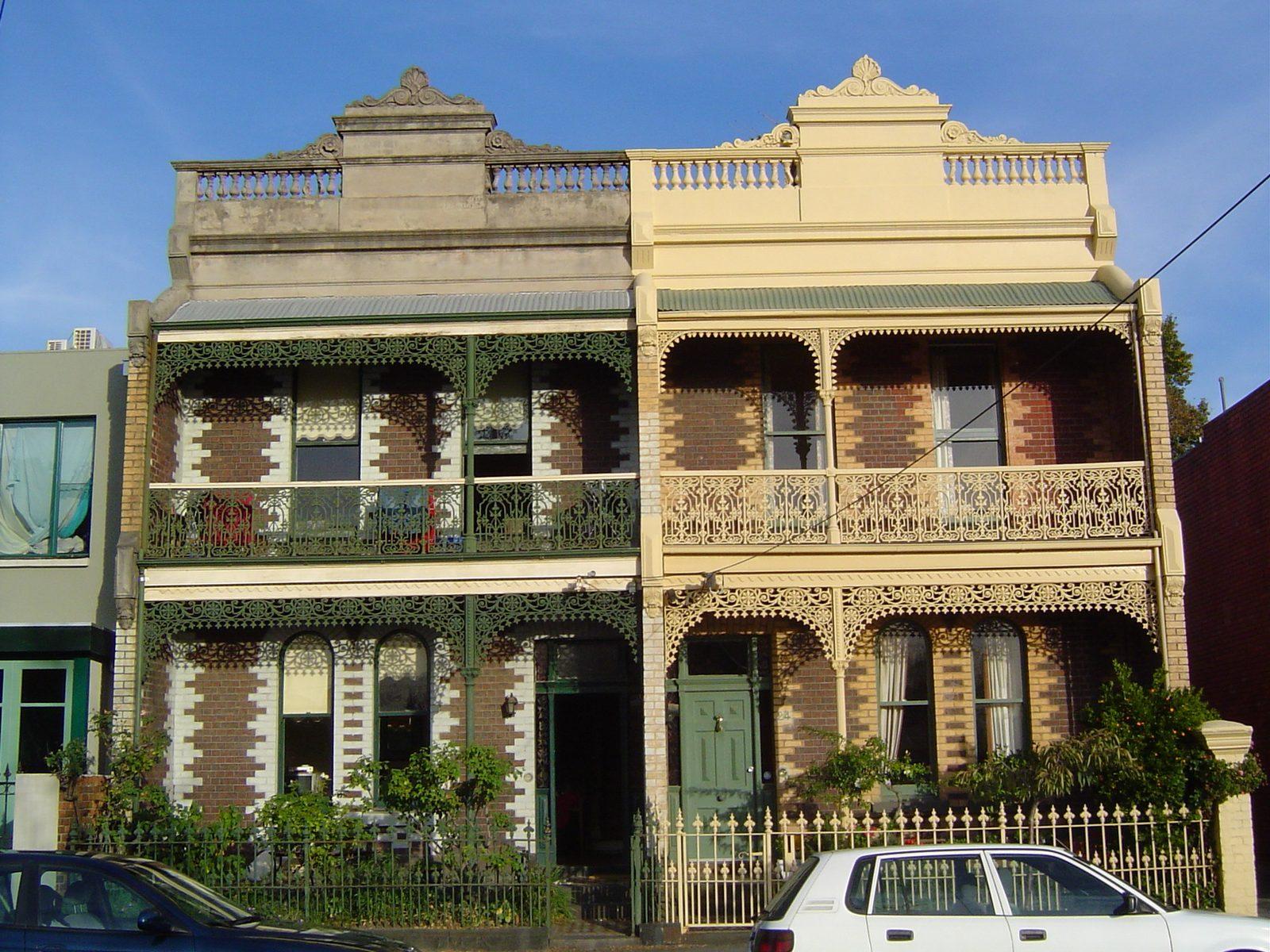
The Mornington Peninsula is not Carlton, but it is not without period fabric. Victorian villas in Mornington, Edwardian bungalows toward Mount Eliza, and the odd Italianate in older Frankston streets all carry joinery that was designed for a colour logic: a body colour, a trim colour, an accent. Theme-park “heritage” — seven colours, every moulding a different ice-cream — is a 1980s hangover, not a conservation principle.
This is a colour article with a planning footnote. Lead layers on old gloss are a safety article. Coastal exposure still applies; see coastal palettes.
Check the overlay before the fan deck
Frankston City and Mornington Peninsula Shire both use Heritage Overlays. Some schedules include external paint controls. Some houses are significant; some are contributory in a precinct. Painting previously unpainted brick or stone can be the issue even when a new colour on timber is fine. If in doubt, a quick planning enquiry is cheaper than a stop-work sticker.
Even outside an overlay, neighbourhood character policies can make a neon scheme a courtesy problem. Heritage colour is often just manners.
Read the house, not the catalogue named “Victorian”
A weatherboard cottage with a simple verandah is not a boom-style mansion. It wants fewer colours, lighter walls, and joinery that is darker than the body without going gothic. An Edwardian with timber shingles in the gable can take a related darker tone in the shingle field — or it can be left to stain. Painting shingles that were meant to be stained is a look, not a law of history.
Iron lace, if you have it, usually wants the trim or accent colour, not a third metallic. Metallics on lace in salt air are a maintenance hobby.
A disciplined three-colour scheme
- Body. For timber, a light to mid tone that is not stark white. Stone, sand, warm grey, a quiet ochre. For render, similar, slightly cleaner.
- Trim. Window sashes, fascia, barge, often a deeper related tone or a deep cream against a mid wall. Sashes were frequently darker than frames in later Victorian practice; pick a convention and keep it around the house.
- Accent. Front door, sometimes the verandah posts or a picket gate. Deep green, deep red, black-green, a considered blue. One accent. Not every window.
If you want a fourth colour, put it on the fence and then wait a month before you commit. Most people take it off the fence.
More geometry for non-heritage houses is in three-colour exterior schemes.
Interiors of period houses
Original interiors may have picture rails, roses, and dingy gloss in the hall. You do not have to restore a 1910 palette to respect the bones. Light walls, a deeper door, a ceiling that stays quiet — the same three-role logic. High-gloss on imperfect original architraves will hurt. Semi-gloss after filling is kinder. Cornice cracks are in the bungalow ceilings piece.
Products: still a coastal system
Heritage colour does not mean heritage technology. Use a modern premium acrylic on the exterior, with the right primer on old timber and old enamel. Traditional lead paints are a contamination story, not a look to recreate. If the existing dark gloss tests as lead, the colour conversation waits on the safety conversation.
Sample on the shady verandah
Period houses often have deep verandahs. That is where you live, and that is where colours go darker. A body colour that looks politely light on the sunlit side can go muddy under the verandah. Sample both. Live with it through a grey Tuesday.
A good heritage scheme on the Peninsula should still feel like it could taste salt. If it only feels like a museum brochure, it is too busy or too brown. Edit.
Verandahs, ceilings and the underside people forget
Verandah soffits were often a pale blue or a light cream — partly folklore about insects, partly a way to lift a dark space. You do not have to recreate a 1908 blue. You should not leave a verandah ceiling as a dirty leftover white that makes the whole scheme look unfinished. Treat soffits as a quiet related colour, not as “whatever was in the van”.
Floorboards on verandahs are a coating with foot traffic and salt. They are not the wall system. If you paint them the trim colour, expect wear paths. Stains and proper deck systems exist; do not use leftover Weathershield and then act surprised.
Fences, gates and the street
A picket fence in the accent colour is charming until 40 metres of it shouts. Body or trim is calmer. Gates can take the accent because they are the size of a door. Heritage estates that paint every paling a different “authentic” shade are not authentic. They are tired.
Council nature-strip rules and fence-height rules still exist while you are choosing a green. Check them before you fall in love.
Interiors: picture rails and the two-tone wall
If you have a picture rail, you have a licence for a slightly deeper lower wall or a quieter upper. Keep the contrast modest in south rooms or the rail becomes a frown. Ceilings stay light. Doors can take the exterior accent in a calmer interior version.
Gloss on original architraves will show 140 years of plane marks. That can be beautiful if the woodwork was meant to be sharp. It can be unkind if the woodwork was always a bit rural. Semi-gloss after honest filling is the Peninsula compromise.
Documentation for the next painter
Leave a card in the meter box: year, codes, brand, primer. Heritage houses get painted by committees of relatives. The card reduces the chance that 2029’s “close enough grey” fights 2026’s carefully tested stone. Boring paperwork is how schemes survive. So does a photograph of the street elevation on a grey day, kept with the codes, so the next debate has evidence instead of a memory of a sunnier afternoon.
People also ask
- Do I need a permit to paint a heritage house in Victoria?
- If the property is in a Heritage Overlay, exterior paint controls may apply — sometimes to all elevations, sometimes to whether you can paint previously unpainted masonry. Check the Mornington Peninsula Shire or Frankston City planning scheme and the overlay schedule before you tint.
- What is a traditional three-colour heritage scheme?
- Wall, trim (window and fascia), and a darker accent on the door or ironwork. More than three colours on a modest cottage usually looks busy rather than “authentic”.
- Can I paint face brick on a Victorian house?
- Often you should not, and sometimes you legally cannot. Unpainted masonry was meant to stay unpainted. Once painted, you own the maintenance.