Dulux Weathershield vs Taubmans All Weather — how to choose
A practical comparison of the two premium Australian exterior systems most often quoted in Frankston, plus Haymes and Wattyl, with notes on primers, warranties and coastal use.
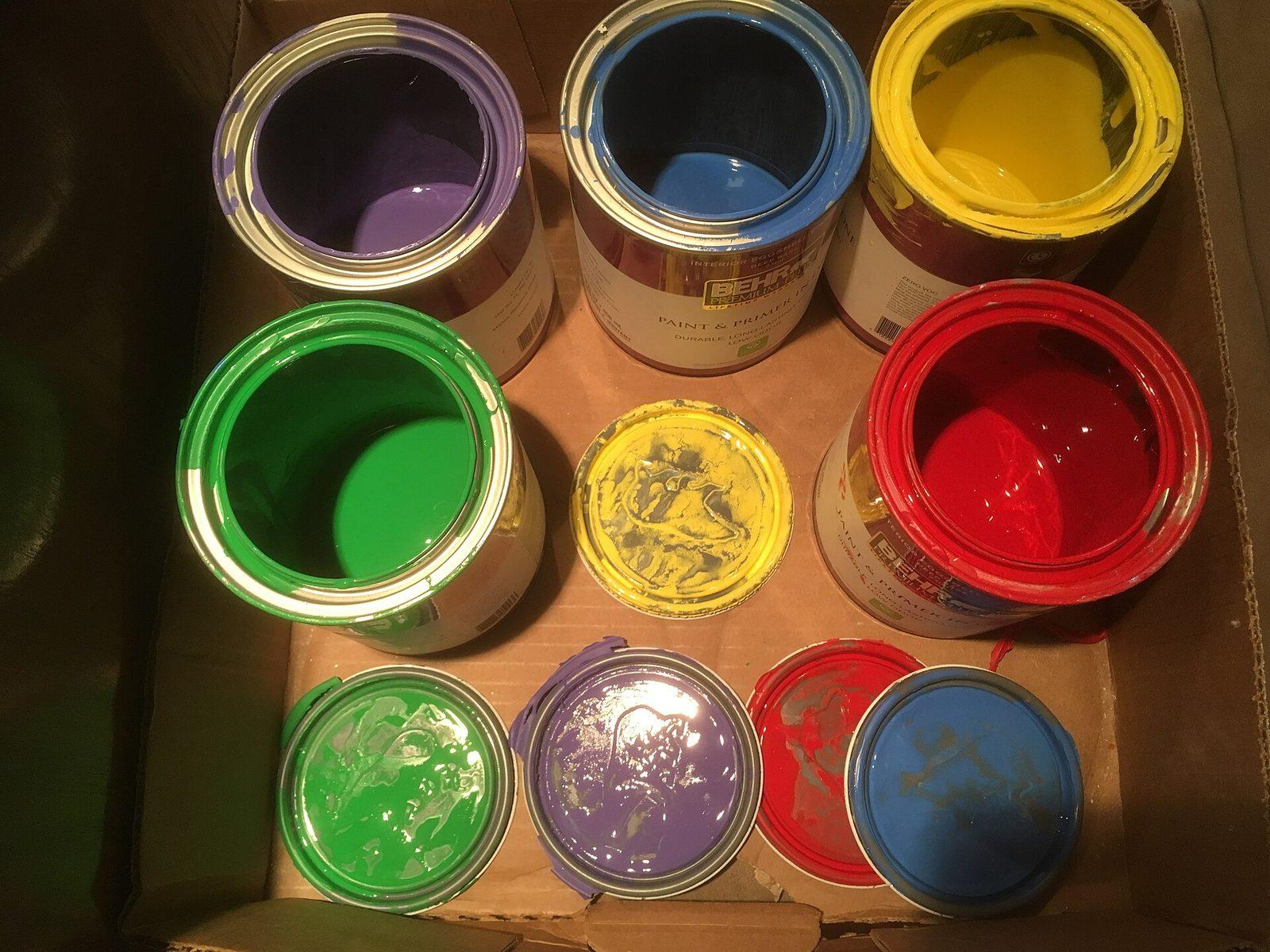
Walk into a trade counter in Frankston and two names dominate the exterior conversation: Dulux Weathershield and Taubmans All Weather. Haymes Ultra Exterior and Wattyl Solagard sit in the same premium band. Builder-grade acrylics sit below it and should not be on a coastal specification because the tin was on special. This is not a paid comparison. It is how to choose a system so the coastal specification has a product attached.
What “premium exterior acrylic” actually means
These products are formulated for Australian UV, with flexibility for timber movement and a warranty story that assumes you used the nominated primer, the right number of coats, and a maintenance wash. They are water-based. They are not marine two-pack. They will not turn a rotten board into a boat.
If a quote just says “Dulux” or “Taubmans” without the line name and sheen, it is not a specification. Dulux makes many paints. Weathershield is the exterior one you want named. Same for All Weather.
Weathershield, in the field
Weathershield is ubiquitous, well tinted, and familiar to almost every Peninsula crew. That familiarity is a feature: cutting-in, recoat windows, and problem-solving are in the muscle memory. The low-sheen wall finish is the usual residential look. Dark colours are available; heat still applies. The consumer warranty is long and paperwork-heavy. Read it.
Where it fails locally, it is almost never because a rival chemistry would have survived. It is because it went over salt, enamel, or one thin coat.
All Weather, in the field
Taubmans All Weather occupies the same job: premium exterior, Australian UV, system warranties, trade availability. Some painters prefer its application on certain substrates; some prefer Dulux’s tint libraries and colour tools. From an owner’s chair, a competent All Weather system and a competent Weathershield system are closer to each other than either is to a cheap contractor acrylic.
If your painter lives in one brand’s primer range, let them. A painter forcing an unfamiliar primer because a blog named a winner is how you get a confused film.
Haymes, Wattyl and the rest
Haymes has a strong Victorian following and a genuine premium exterior. Wattyl Solagard is the old coastal name many owners still use as a generic. Specify the current line, not a memory of 1998. European masonry minerals have a place on solid damp brick; they are not a weatherboard default.
Primers decide more than topcoats
Bare timber, tannin, chalky acrylic, galvanised steel, new render: each wants a primer the topcoat manufacturer has tested. Weathershield 1Step-style stories and Taubmans’ primer pairings exist for a reason. On old enamel, the primer is an adhesion primer, not “more of the wall colour”. See painting over oil-based enamel and the prep order.
Colour libraries are not chemistry
You might choose Dulux because you fell in love with a named grey. You can often get close in another premium line. Do not switch brand after sampling unless you re-sample. Bases differ. A “match” from a spectrometer is a starting point, not a promise, especially in deep bases on a clifftop dark.
How to write it on the quote
Good: “Wash, spot prime bare timber with [named primer], two coats Weathershield Low Sheen in [code], trims in [code], product data sheets to be followed for recoat times.”
Bad: “Paint house Dulux two coats.”
The first sentence is how warranties and quotes stay aligned. The second is how disputes begin.
The short answer owners want
If your painter is a Weathershield painter, buy Weathershield as a system. If they are an All Weather painter, buy that as a system. If they are a cheapest-tin painter, buy a different painter. The brand fight is a sideshow. The coastal, two-coat, primed, washed job is the main event. Longevity comes from that, not from a logo on a bucket.
Sheen names across brands
Low sheen in one line is not a perfect match to low sheen in another. If you sample Weathershield Low Sheen and then allow a substitution to a different brand’s “matt exterior”, you have changed the colour and the dirt-hiding. Re-sample. The sheen article is about interiors but the discipline is identical.
Trims in a higher sheen than walls remain a good idea in every brand. Do not mix a Weathershield wall with a random interior enamel on the fascia because it was leftover. Exterior trim wants exterior chemistry.
Dark bases, heat and the fine print
Both major lines will tint deep colours. Both will warn you, somewhere, that dark hues run hotter. Clifftop Mount Eliza is where people skip that paragraph. If you insist on near-black, keep the system premium, the primer complete, and the maintenance honest. A builder-grade dark is how you get a chalky, patchy north wall in three summers.
Availability on a Tuesday in Frankston
A specification nobody can tint locally is a specification that will be substituted at 4pm. Check that the trade counter you actually use stocks the line, the sheen, and the primer. Haymes may be beloved and still be a drive away when you need 10 litres of the fascia colour at short notice. Logistics is part of chemistry.
Interior lines are not a sequel
Wash & Wear is not Weathershield. Interior and exterior chemistries differ. Do not finish an eave with interior leftover because the colour was close. UV will explain the rest. Keep the systems in their rooms.
If this comparison feels unsatisfyingly even-handed, good. That is the point. Hire the painter who can describe prep, then let them use the premium system they will not fight. You can still pick the colour. The tin will be empty either way; the wall will remember whether anyone washed it.
People also ask
- Is Dulux Weathershield worth it?
- As part of a specified system on a prepared wall, yes — it is a genuine premium Australian exterior acrylic. It is not worth it as a single coat over unwashed chalk. The labour around it matters more than the logo.
- What is the difference between Weathershield and All Weather?
- Both are 100% acrylic exteriors aimed at Australian UV with long consumer warranties and a full primer-plus-topcoat story. Differences sit in tint bases, sheen ranges, primer pairing and whichever system your painter actually knows how to apply.
- Can I mix primer from one brand with topcoat from another?
- You can, and sometimes you should for a specialist primer. You will usually void the easy warranty path. On coastal houses, pick a system and keep the data sheets.