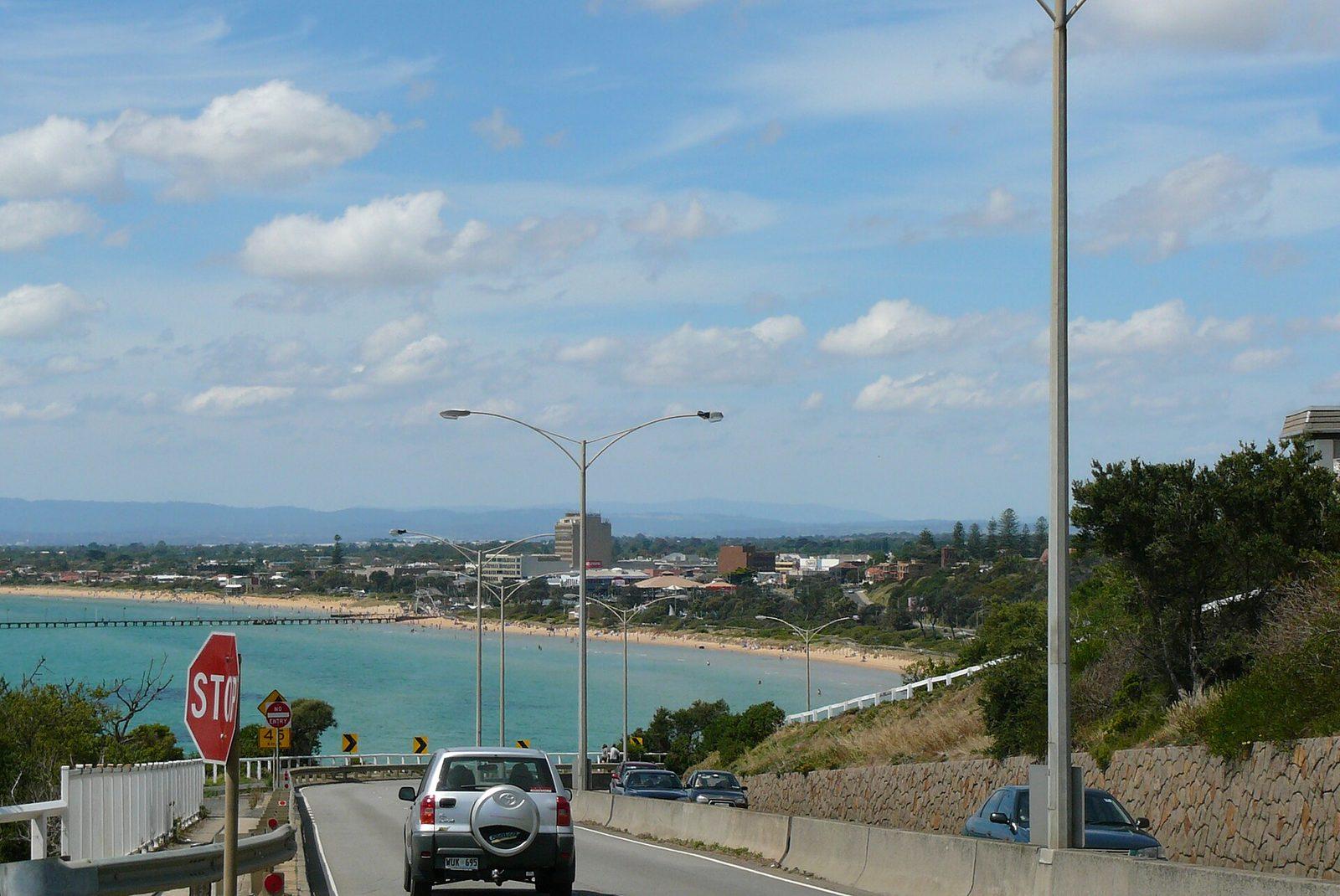
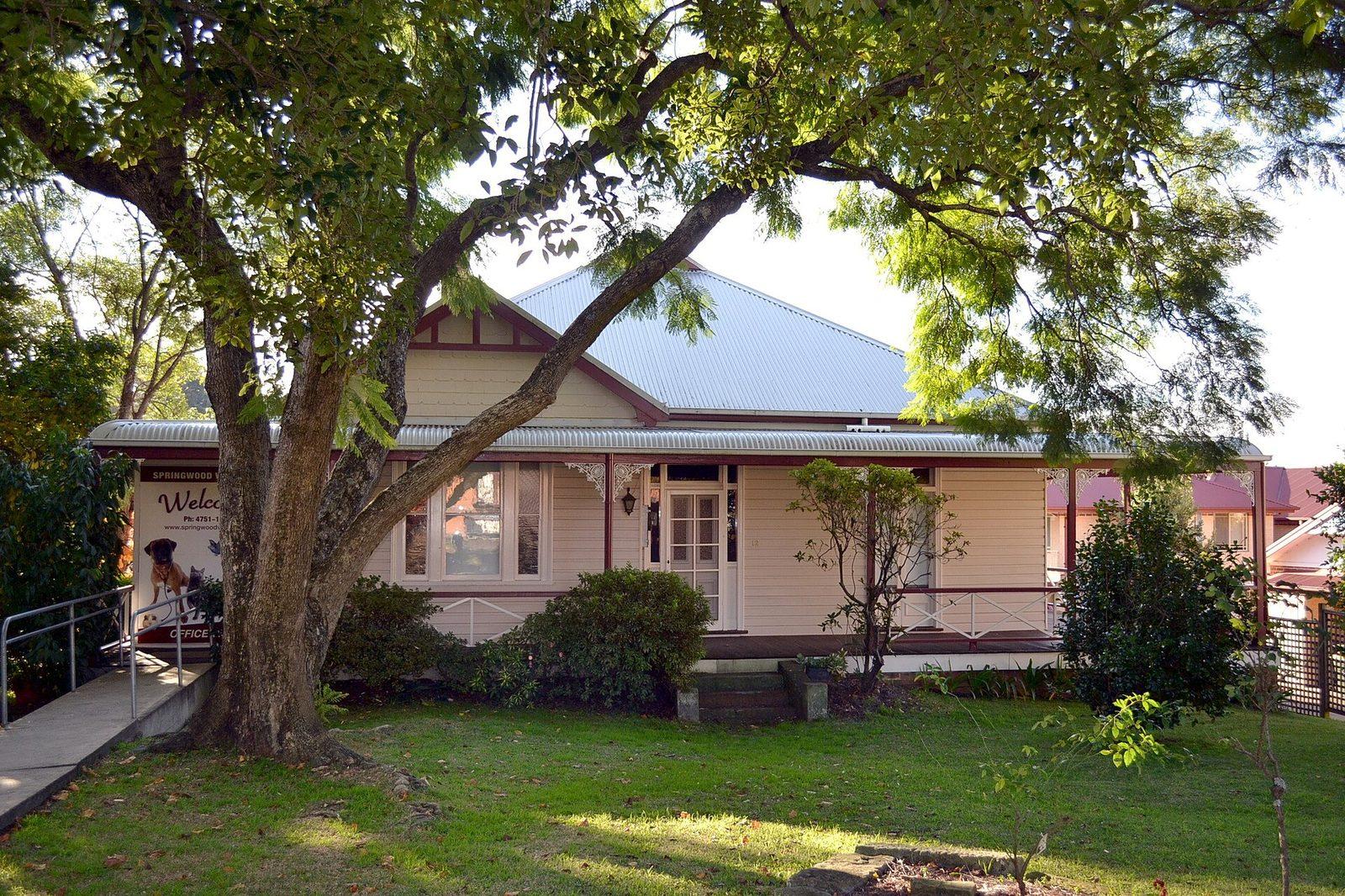
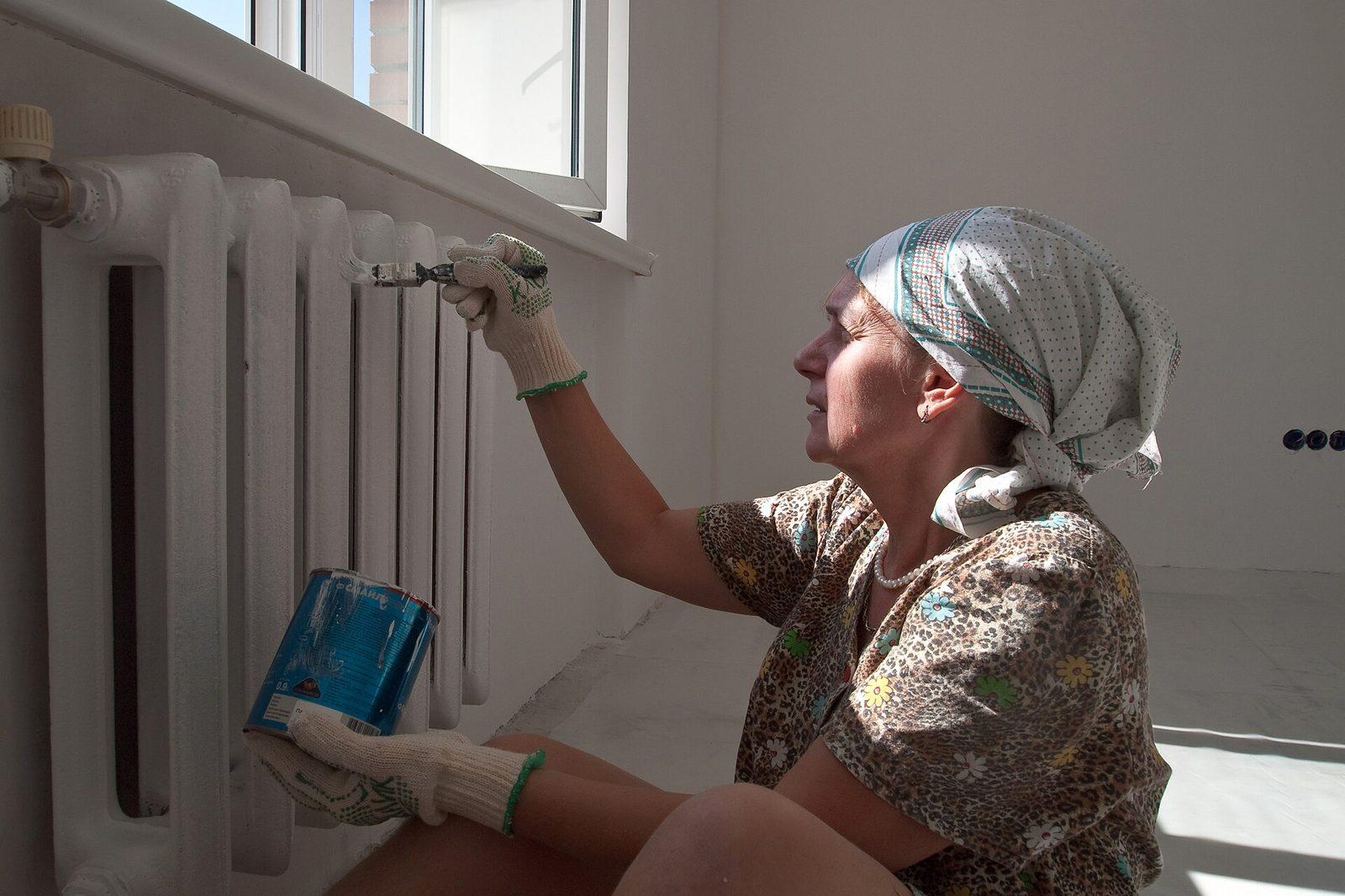
A painting guide to Frankston, Seaford and Langwarrin streetscapes
Housing stock changes in a few kilometres: Seaford weatherboards, Frankston’s mixed bayside streets, Langwarrin’s brick veneers. What to specify on each, and which failures to expect.
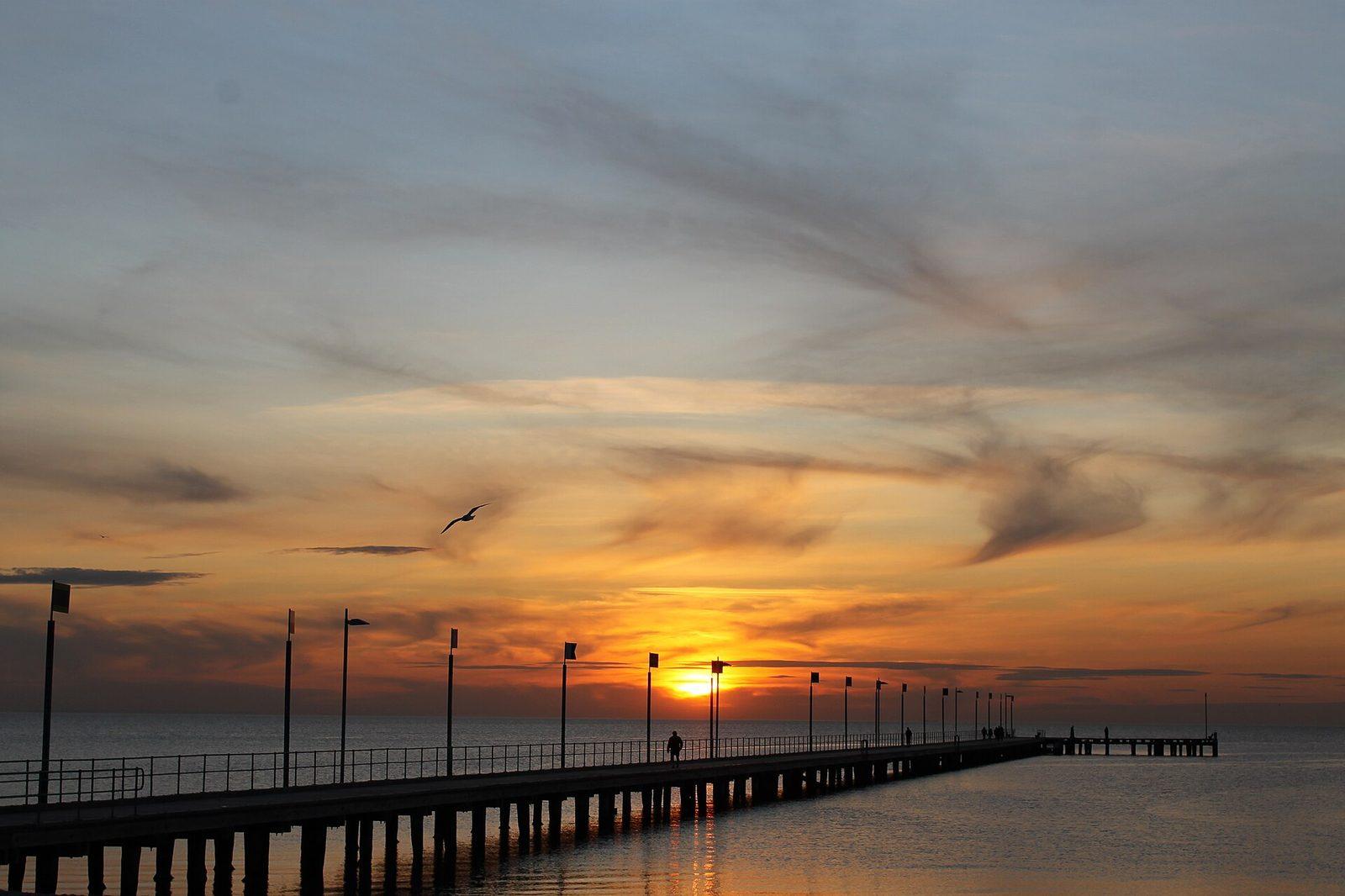
The domain name is Frankston Painters, and the work is a string of suburbs that do not paint the same. Seaford’s older streets still read as timber. Frankston itself is a mash of bayside cottages, cream brick, units and the climb to Olivers Hill. Langwarrin, a few minutes inland, is mostly brick veneer estates and a different set of failures — not salt in the laps, but neglected fascia and the temptation to paint perfectly good brick because a television said so.
This is a streetscape guide. Systems live in the exterior hub. Dollars live in the 2026 cost guide.
Seaford: boards, breeze and the foreshore
Seaford sits on the sand side of the story. Older weatherboards, some fibro infills, brick from later decades, and a beach that throws fine weather into the face of west and south-west walls. Specify coastal wash, timber primer on bare edges, two premium acrylics. Expect mould on south eaves of houses that sit in their own shade. Expect grey bottom courses where garden beds were piled against timber.
Interior-wise, many Seaford houses are modest in plan: three bedrooms, a living room that wants a washable low sheen, bathrooms that need extractors more than feature colours. See interiors.
Do not treat Seaford as “not quite Frankston so not quite coastal”. If you can hear the beach, the film can taste it.
Frankston and Frankston South: mixed stock, real salt
The city centre is not the painting story. The streets behind the Nepean Highway, the climb to Olivers Hill, and Frankston South’s mix of timber and later houses are. Olivers Hill is close enough to clifftop logic that it shares a chapter with Mount Eliza: access, wind, salt, dark colours that cook.
Lower Frankston has units with steel railings, painted brick, and windows that have not been sanded since the last enamel. Adhesion primers matter. So do neighbours in close quarters — spray drift is a social problem here, not only a technical one.
Frankston North and toward Karingal pick up more veneer and render. Trim-only jobs are common and correct. Full-house weatherboard specs still appear on older lots. Walk the block before you borrow a specification from a friend “over in Frankston”.
Langwarrin: inland, not un-painted
Langwarrin is far enough from the bay that salt is a lesser enemy. UV is not. Brick veneer dominates, with painted timber fascia that chalks and eaves that grow the same biology as anywhere with a south overhang. A typical Langwarrin exterior quote should sound like: wash, scrape failed eaves enamel, prime timber, two coats on all painted planes, brick left clean. Painting the brick because the fascia colour felt lonely is how you volunteer for masonry maintenance.
Newer estates add acrylic render, expansion joints, and owners surprised that hairline cracks telegraph. That is the render article, not a coastal mystery.
Interiors in Langwarrin are often family-occupied, open-plan, and due a washable low sheen that can take schoolbags. Per-room costs in the interior guide apply.
Carrum Downs, Skye, Baxter: the hinterland edge
These are not “the Peninsula” in the postcard sense, but they sit in the same labour market and the same UV. Specifications drop some marine anxiety and pick up dust, new-estate render, and the odd farm shed that is a coating job of its own. Do not pay clifftop access prices for a flat court. Do not skip two coats because you are inland.
What changes in a quote as you drive this corridor
From Seaford foreshore to a Langwarrin court, you should see: less emphasis on salt wash (but not zero wash), more trim-only brick, less scaffold-on-slope, similar UV honesty, and still a named primer. If the same one-page quote is used for all three suburbs with only the dollar changed, it was never a specification.
Colour along the corridor
Seaford copes with sandy whites and mid greys that hide a bit of salt stain. Frankston South can take deeper greens under trees. Langwarrin estates often already have Colorbond and brick that dictate the palette — your job is fascia and door, not a five-colour dream. Coastal palettes still apply on the water side of the drive.
A practical owner’s loop
Photograph the weather side, the eaves, and a typical window. Note cladding. Note storeys. Send that, not a suburb name, to a painter. Suburb names are for this journal. Your house is a substrate.
Frankston Painters, as a publication, is named for the city and written for the corridor. Seaford’s boards, Frankston’s mix, Langwarrin’s veneers — three jobs, one coastline fading as you drive inland. Specify the street you actually live on.
Units, townhouses and the body-corporate problem
Frankston and Seaford have a lot of strata. Common property eaves, private courtyards, and a colour palette locked in 1998. You may only control the inside and a front door. Paint the interior to the interior guides. Do not freelance a charcoal feature on a common brick wall. The committee will discover you.
Balustrades on older units are often steel that wants a metal system, not leftover wall paint. Salt sits on them. Wash.
Shops and the Nepean Highway face
This journal is residential, but the highway teaches the same chemistry: UV, traffic film, and signs that get painted over badly. If you have a shopfront, spec a wipeable exterior and a maintenance wash. Do not treat it like a bedroom.
Public housing-era streets and honest prep
Some pockets have had cheap recosts for decades. The film is a history of shortcuts. A serious job there is more scrape than colour. Price it as restoration, or do a maintenance recoat knowing it is a holding pattern. Either is honest. A “two coats of the good stuff” over failed layers is not.
How to read your own street in ten minutes
Count timber versus brick versus render. Look at which way the weather side faces. Look at eaves. Look at whether the houses that look fresh are pale or dark. The dark ones that still look fresh had money in the system. The pale ones that look tired may only need a wash. Then read diagnosis.
The corridor from Seaford to Langwarrin is a textbook. Walk it. Then specify your lot, not the textbook’s average.
People also ask
- Is Frankston a coastal painting environment?
- The esplanade, Olivers Hill, Frankston South and Seaford foreshore are coastal. Inland pockets toward Langwarrin and Carrum Downs ease the salt but not the UV. Specify by street, not by postcode alone.
- What housing types dominate Seaford and Frankston?
- Post-war weatherboards and brick veneers, 1960s–70s cream brick, later infill, and pockets of older cottages. Seaford’s older streets are especially board-heavy. Langwarrin leans brick veneer and newer estates.
- Should I paint face brick in Langwarrin?
- Only if you want the maintenance cycle. Most veneers need a trim-only specification — fascia, eaves, windows — not a fashion coat on sound brick.